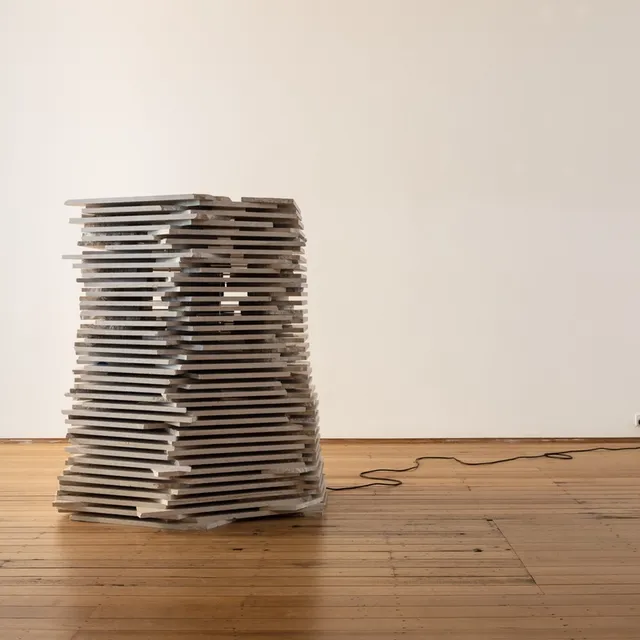
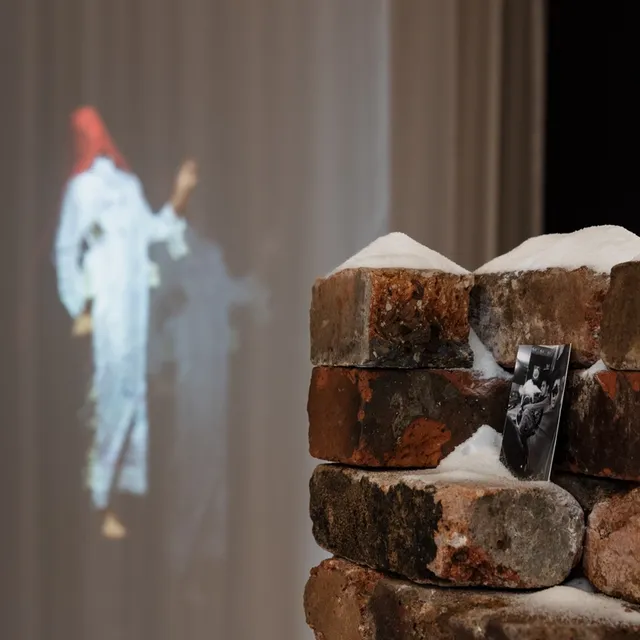
“rūḥ al-rūḥ – jan-e janān”
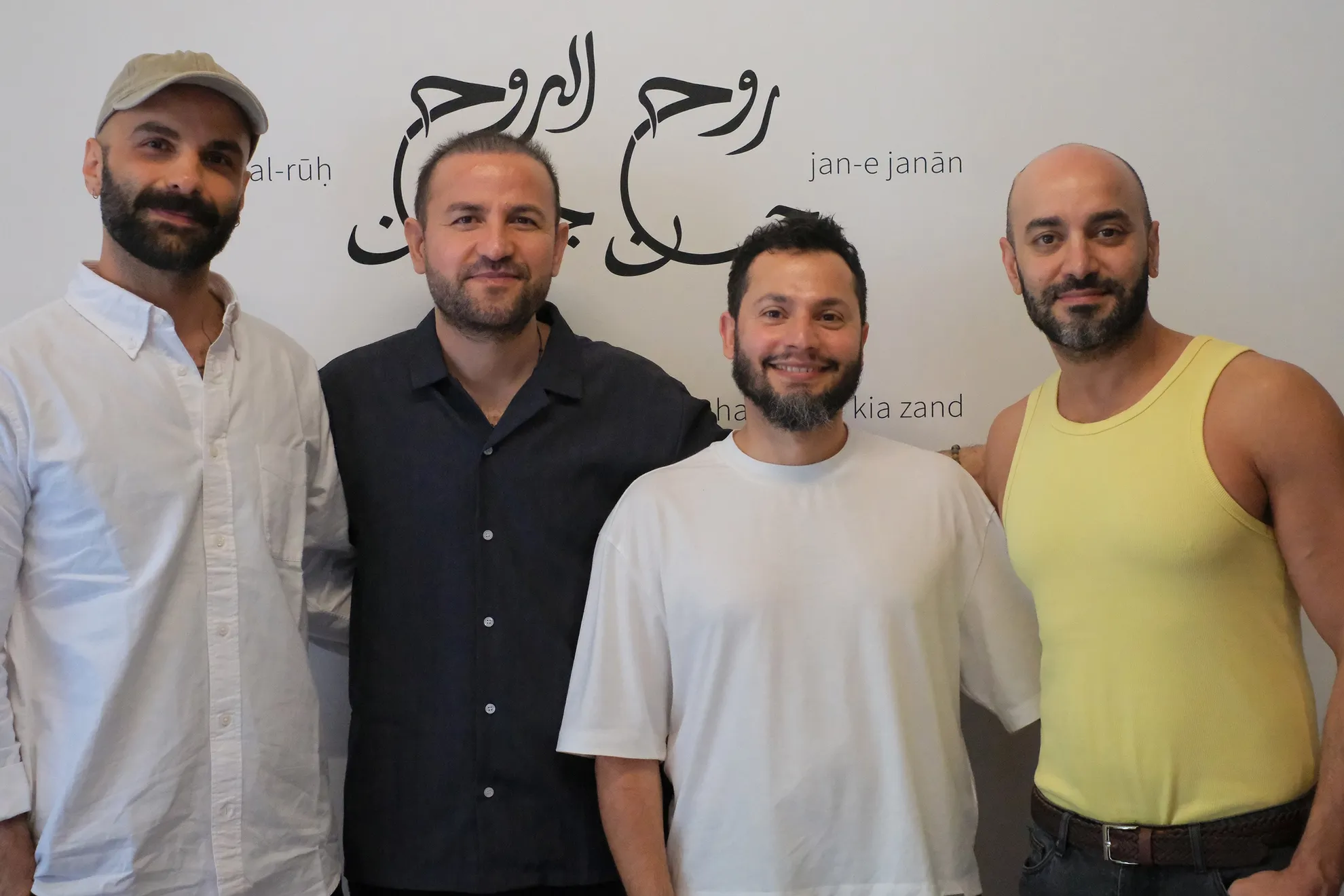
Elyas Alavi, Ayman Kaake, Ali Tahayori and Kia Zand
15 Nov → 31 Jan 2026
Gallery
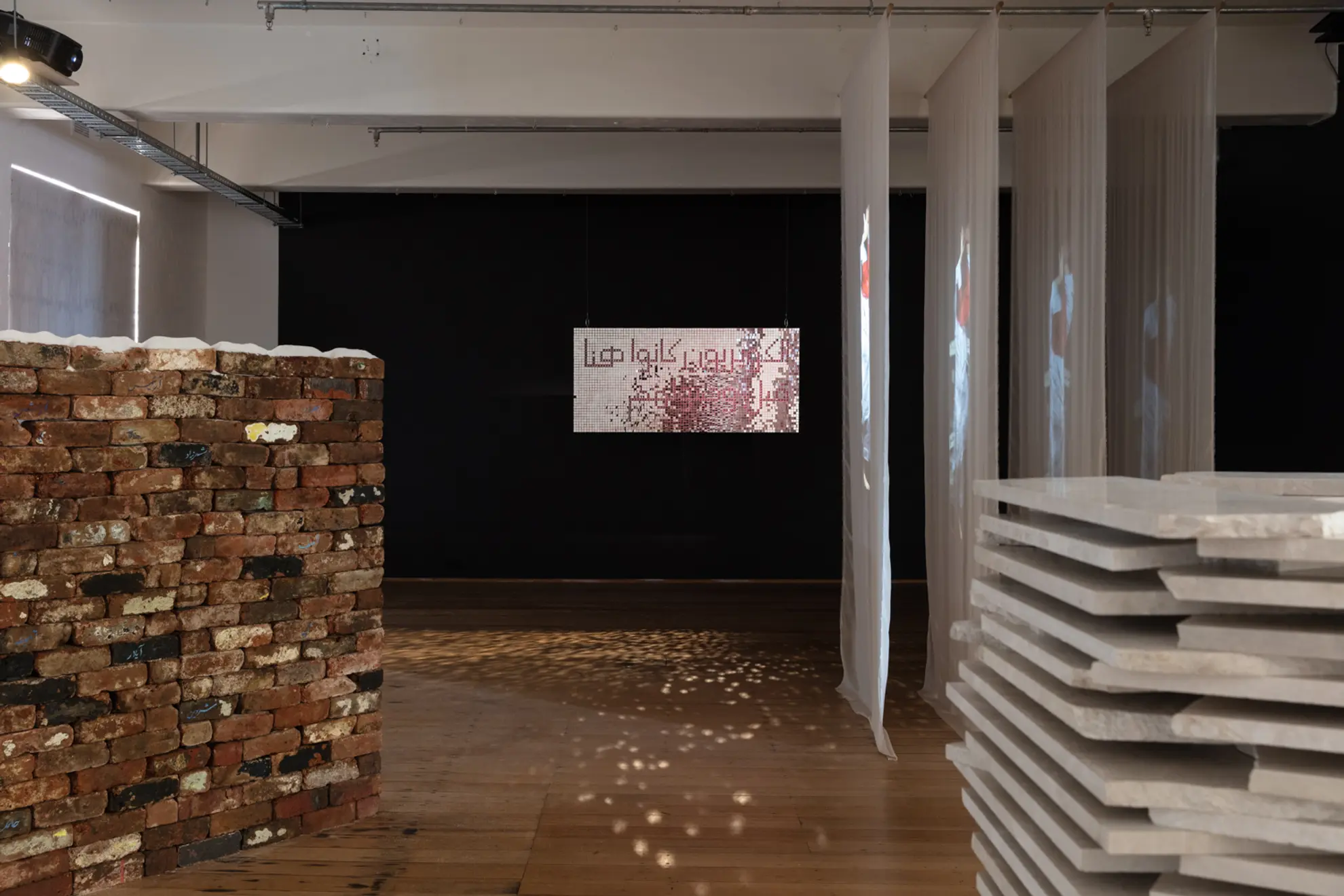
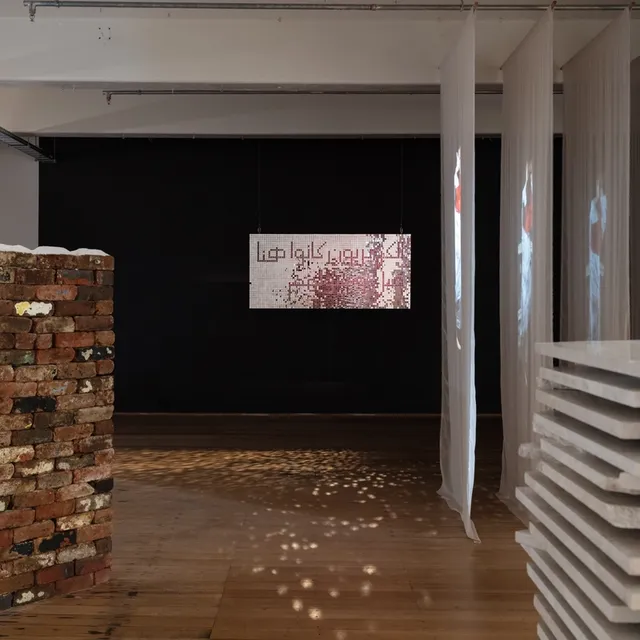
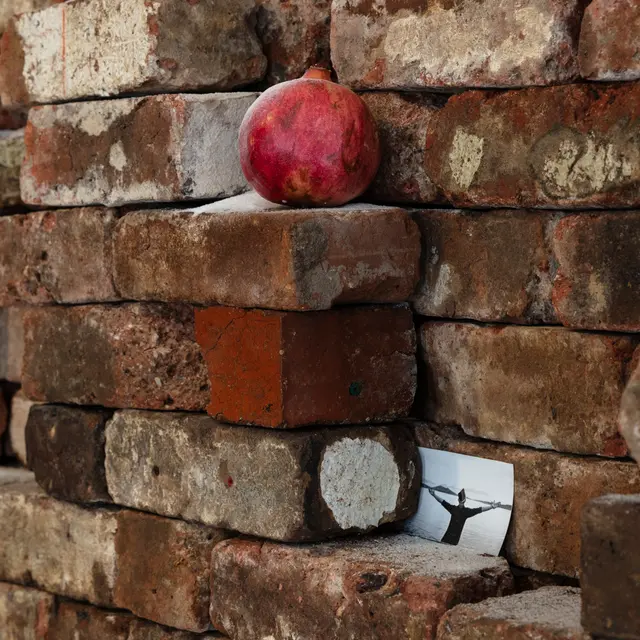
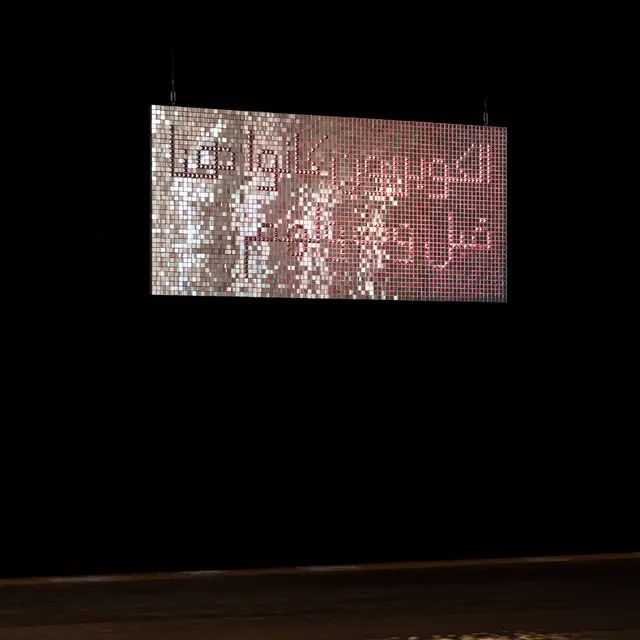
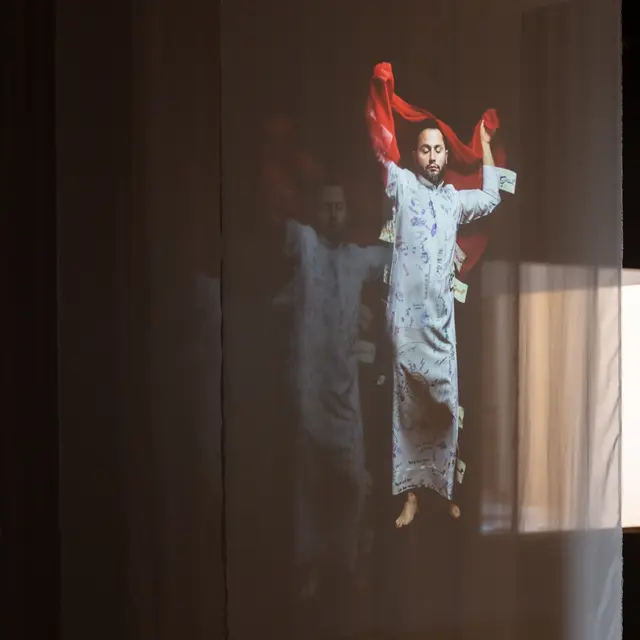
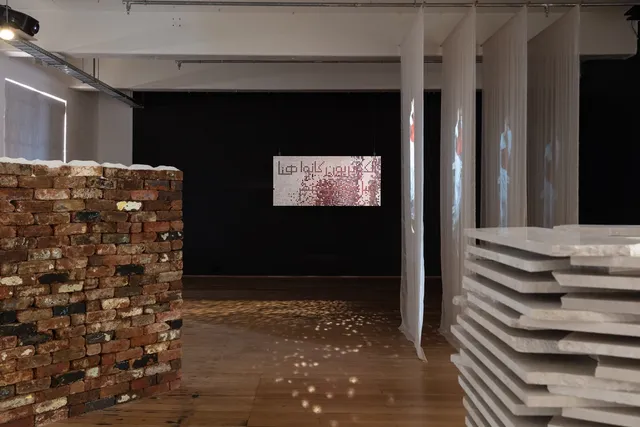
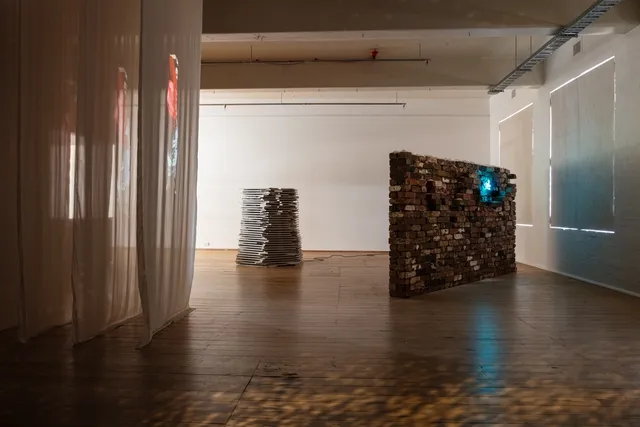
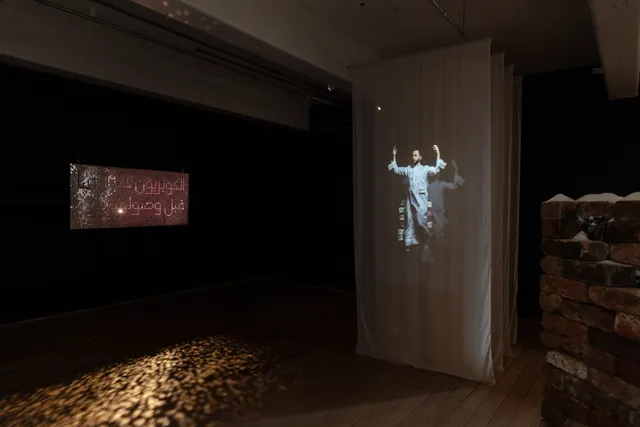
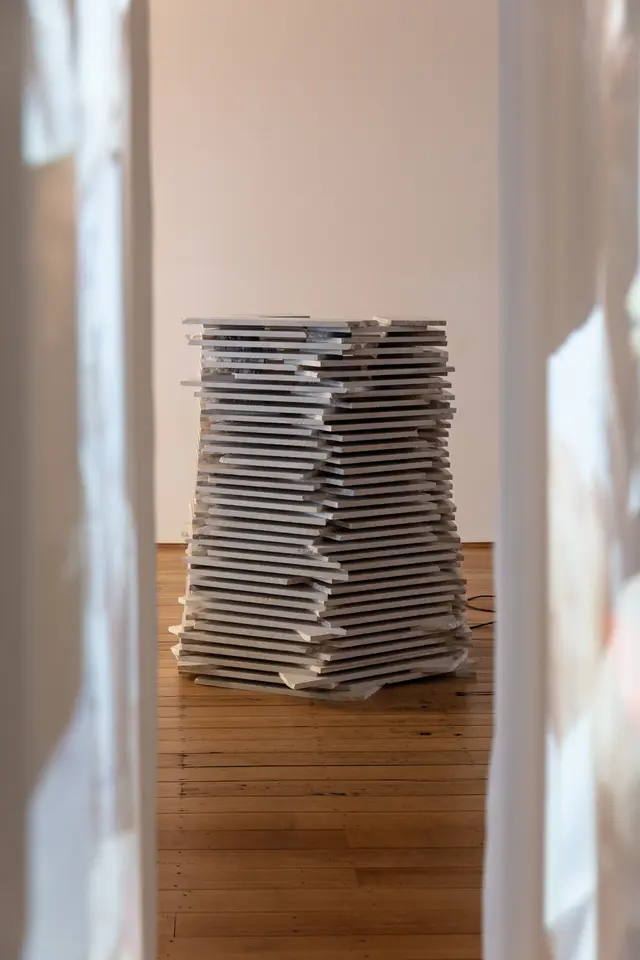
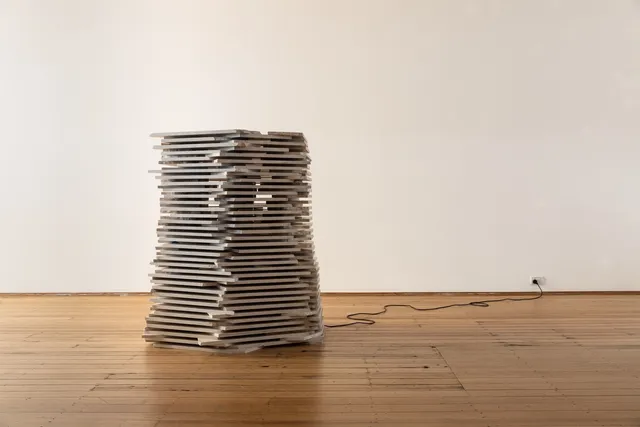
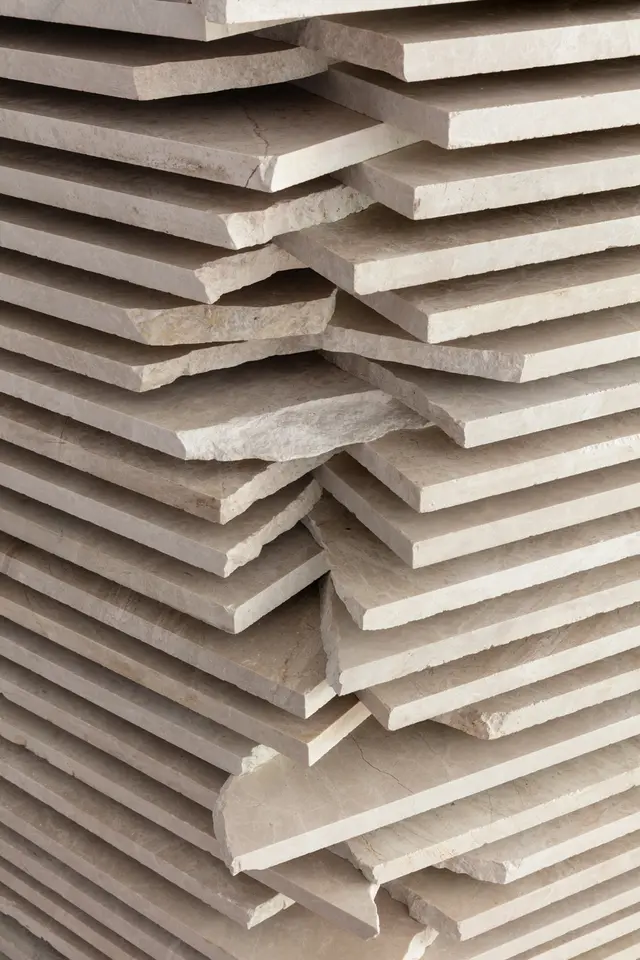
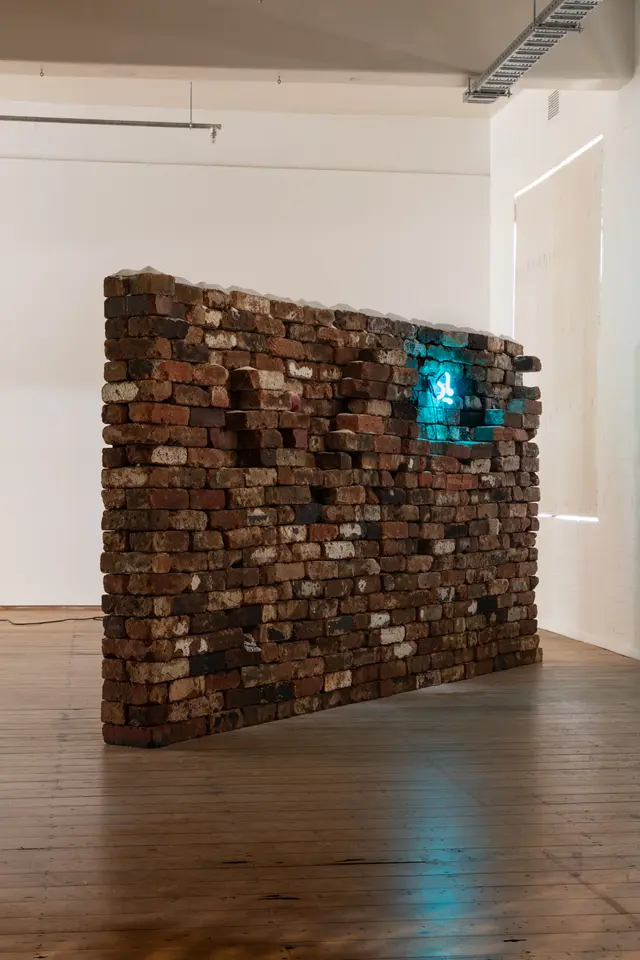
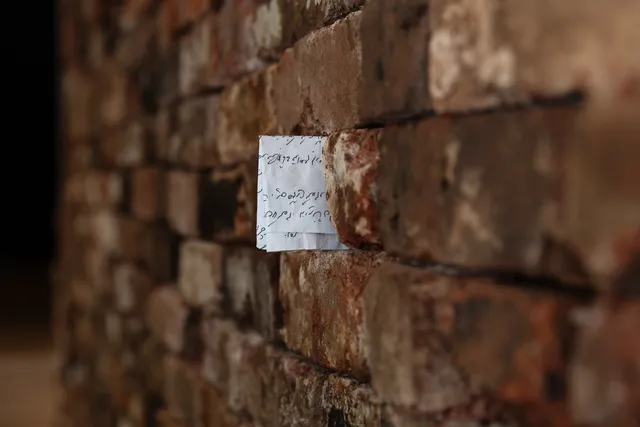
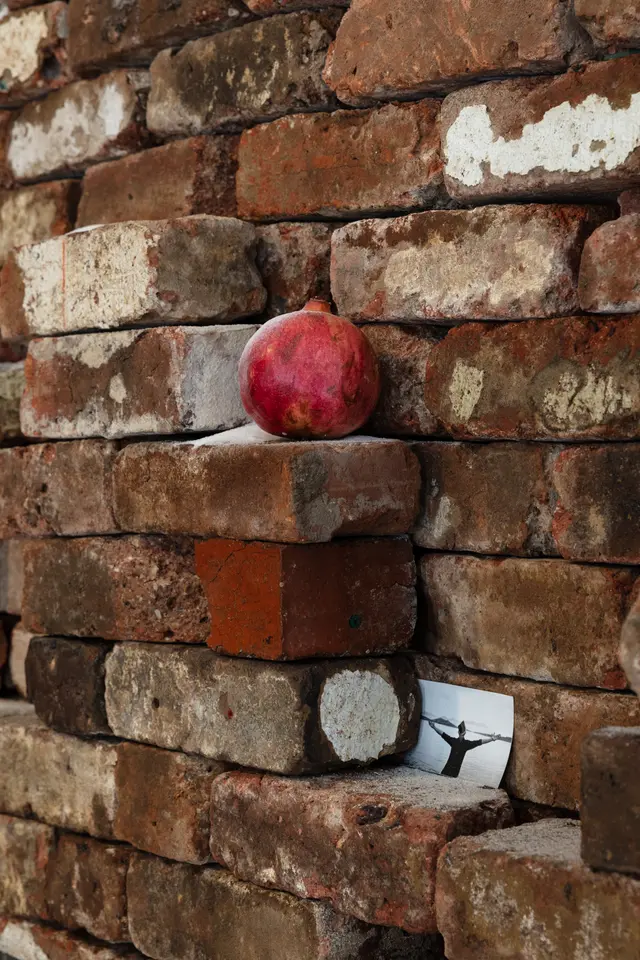
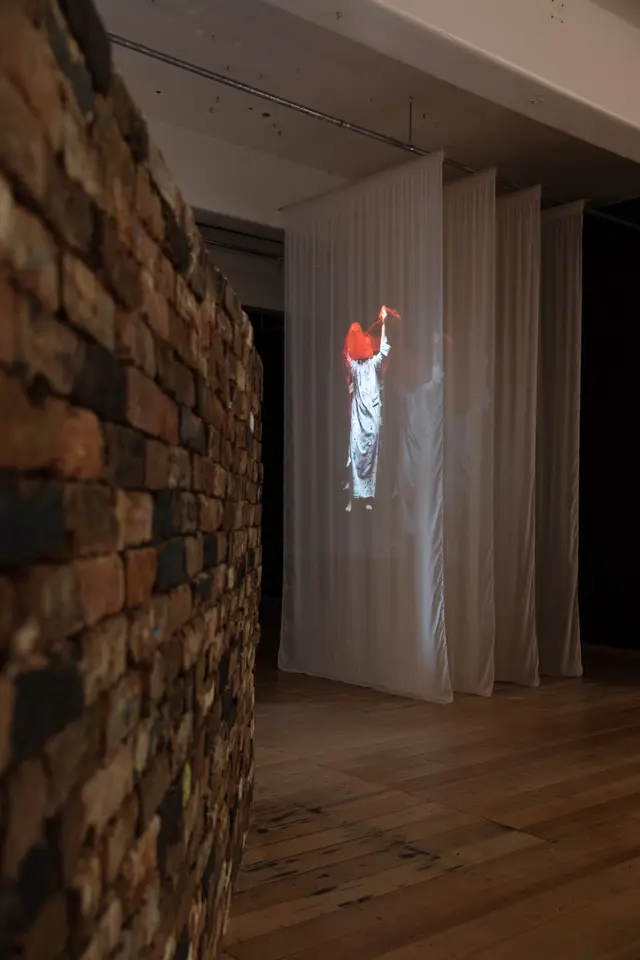
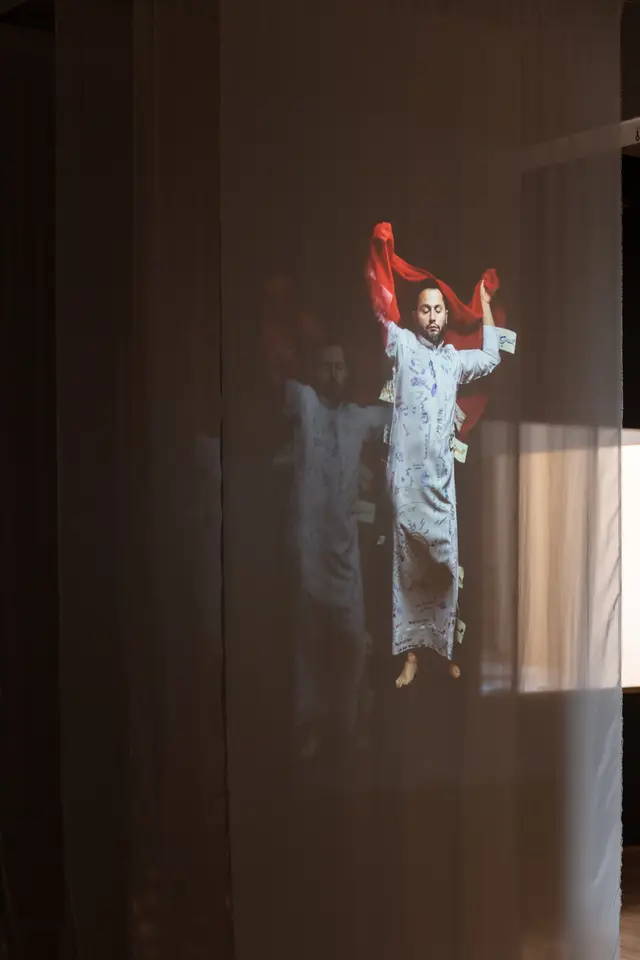
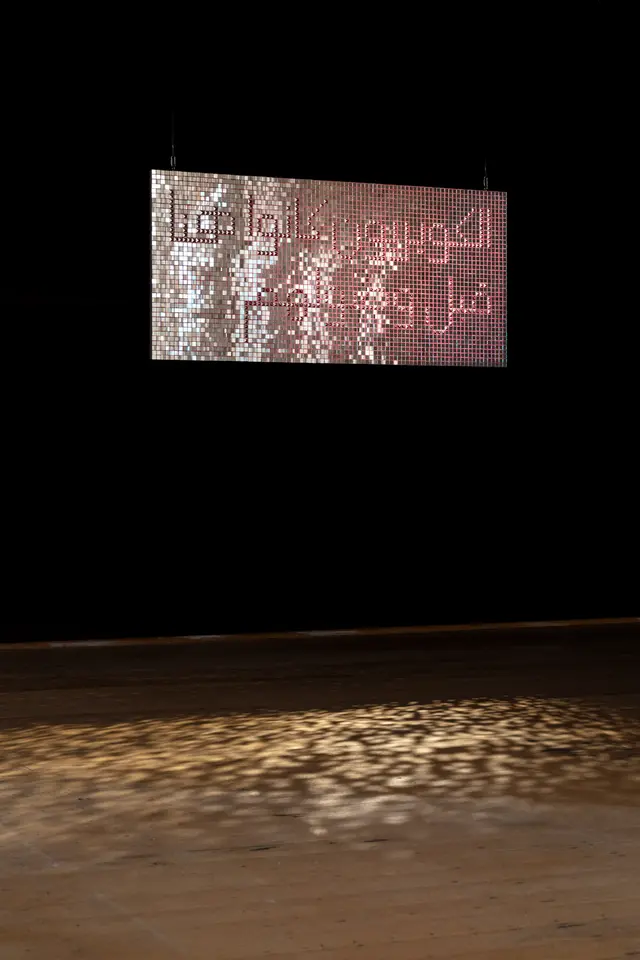
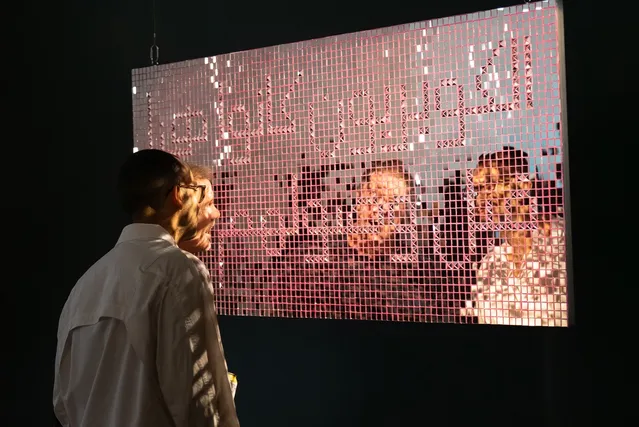
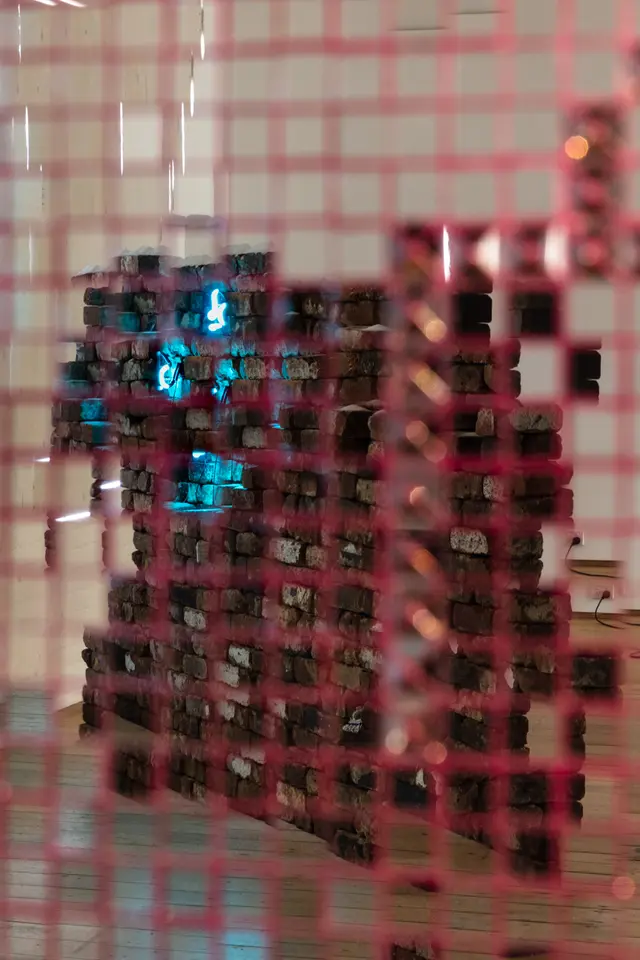
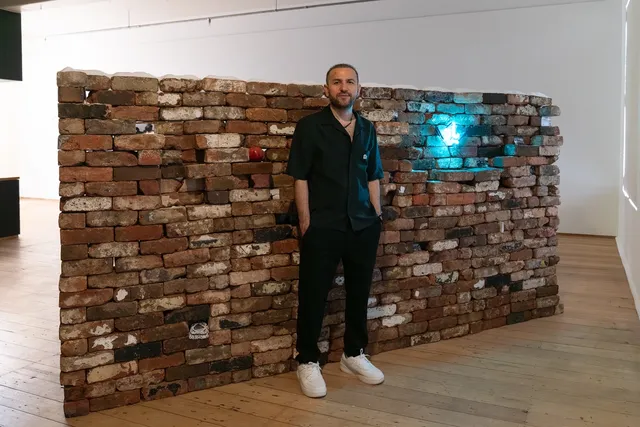
rūḥ al-rūḥ – jan-e janān brings together artists Elyas Alavi, Ayman Kaake, Ali Tahayori, and Kia Zand, each with anchors to West and Central Asia, to assemble their queer identities as testimony.
In this collective presentation within the West Space gallery the artists convene to share what has been inherited, imposed, spoken and unspoken, offering a dialogue for queer liberties that have existed long before the western gaze.
This is the first occasion Alavi, Kaake, Tahayori and Zand have exhibited together, a collaboration unfolding over months of conversation, listening and bearing witness to genocides and despotic regimes across homelands and to hamwaṭani (kin).
rūḥ al-rūḥ – jan-e janān is an enquiry into borderless solidarity, survival inscribed between the folds of concealment and visibility, speaking to cosmologies of love that extend beyond the self.
Curated by Tahmina Maskinyar.
Program
Artist talk, Sat 29 Nov, 12.30 → 3pm
Elyas Alavi, Ayman Kaake, Ali Tahayori and Kia Zand share their experience of collaborating together and talk about the artworks created for rūḥ al-rūḥ – jan-e janān, convened by Tahmina Maskinyar. Following the discussion each artist activates the works through performance.
View the exhibition roomsheet.
rūḥ al-rūḥ – jan-e janān is supported by Creative Australia.
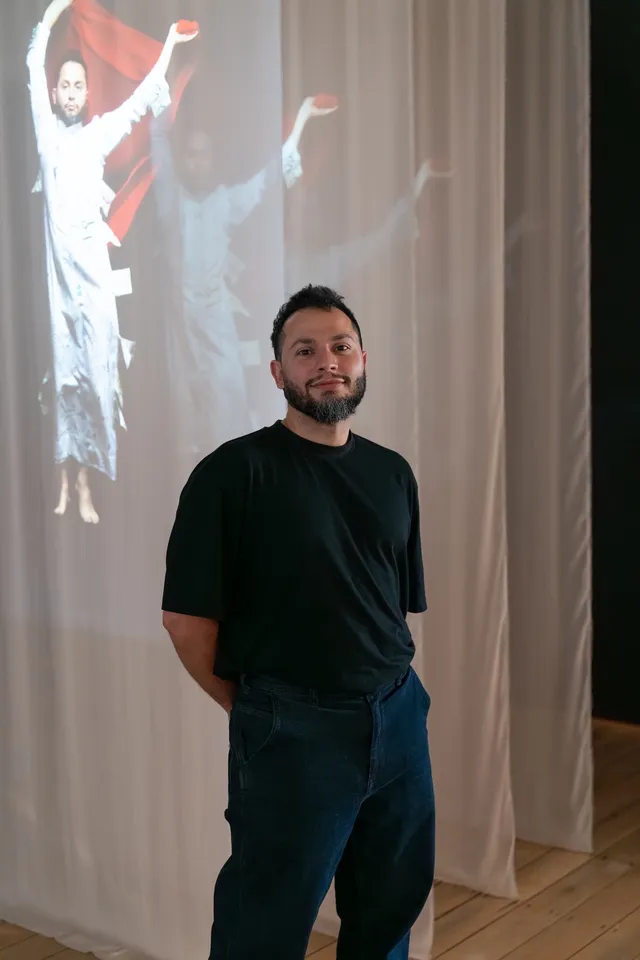
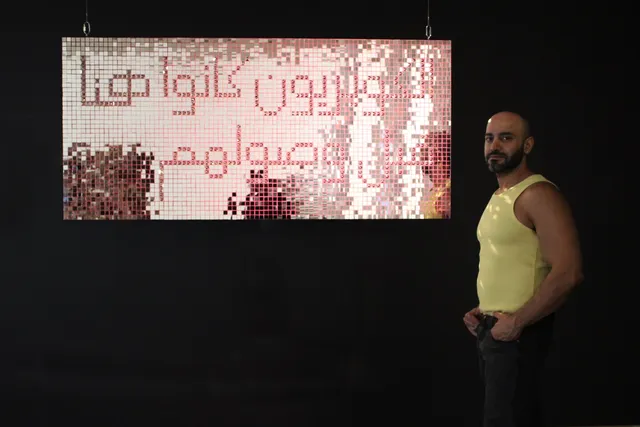
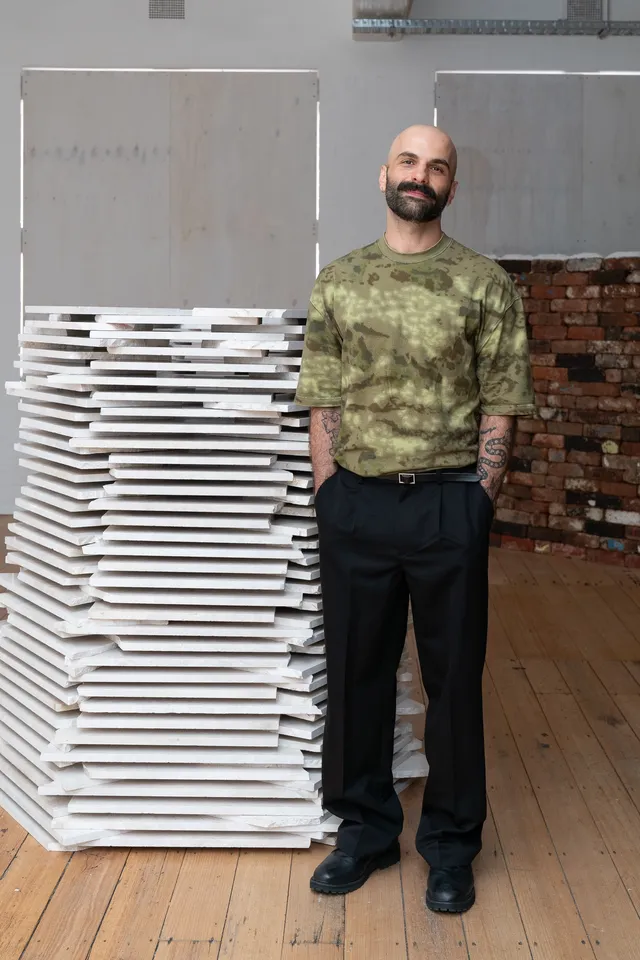
Elyas Alavi is an Afghanistan born Hazara artist based in Naarm (Melbourne). Through painting, installation, moving image, poetry and performance, Alavi examines the complex intersections of race, displacement, memory, gender and sexuality accounting for hyper-invisibilities and troubling received notions of culture and belonging. His work complicates histories in the SWANA region and thinks through the links between the globalised condition, settler colonialism, and who is implicated in the mobility and displacement of Black and Brown bodies.
Ayman Kaake is a Lebanon-born Australian photo-media visual artist based in Naarm (Melbourne). His practice encompasses various mediums, including contemplative photographic portraiture, video works, and sculptures. Through his art, Kaake delves into the complex themes of diasporic melancholy, the agony of exile and socio-political subjects, utilising contemplative portraiture and sculptural, styled poses.
Ali Tahayori is an Iranian-Australian artist based in Sydney on Gadigal and Dharug lands. His practice ranges from expanded photography to moving images and installation. Tahayori’s practice sits at the intersection of queer and diasporic subjectivities, exploring notions of home, identity, and belonging from a person of SWANA (South West Asia and North Africa) region perspective. Working with materials such as glass, mirrors and family archives, his practice combines a discourse about diaspora and displacement with an exploration of queerness - in both cases, poignantly testifying to his experience of being othered.
Kia Zand is an interdisciplinary artist based in Naarm (Melbourne), Australia. Drawing on his mixed Iranian inheritance, he works across analogue photography, sculpture, and sound, exploring the spaces between and within geological, cultural, and political boundaries. His work primarily explores themes of identity, queer secrecy, and how bodies and materials carry memory and knowledge. Zand began his career as an industrial photographer and filmmaker at the National Oil and Gas Company in the south-west of Iran, a zone marked by histories of diversity and colonial footsteps. After relocating to Isfahan and later migrating to Melbourne as an asylum seeker, he completed a degree in film and a Master of Contemporary Art at the Victorian College of the Arts in 2023.