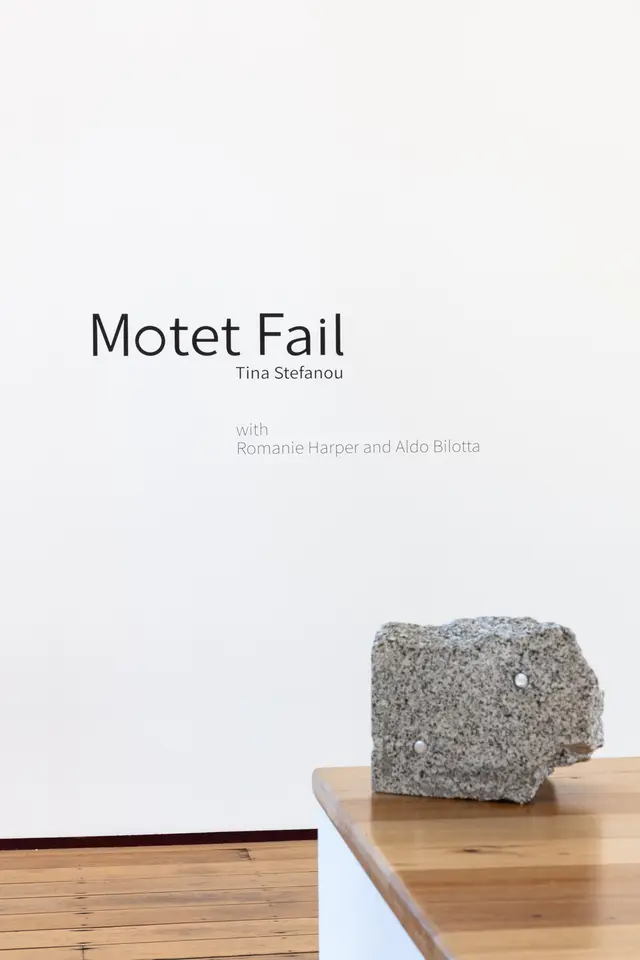
“Motet Fail”
Tina Stefanou
18 Feb → 18 Apr 2026
Gallery
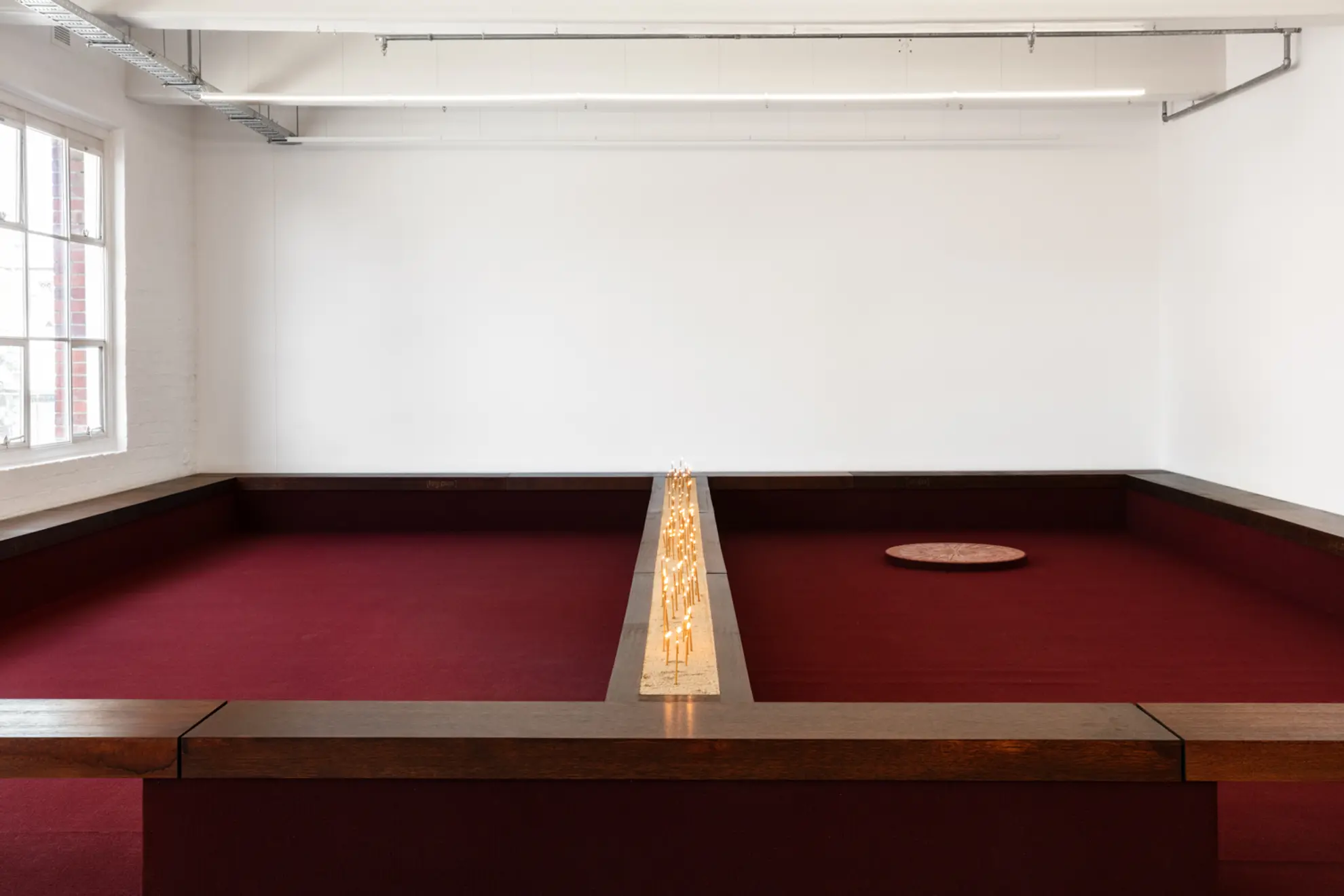
West Space presents a new commission by Tina Stefanou, continuing her methodology of expanded cinema, vocal orientations and performance in a practice she calls 'voice in the expanded field'.
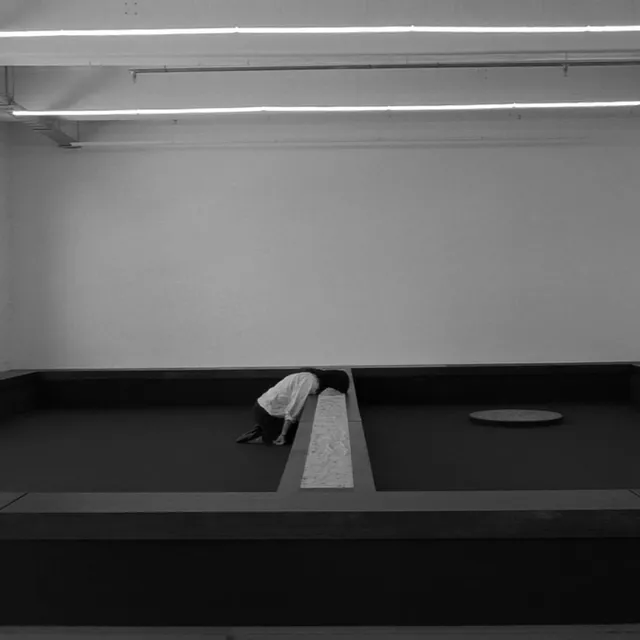
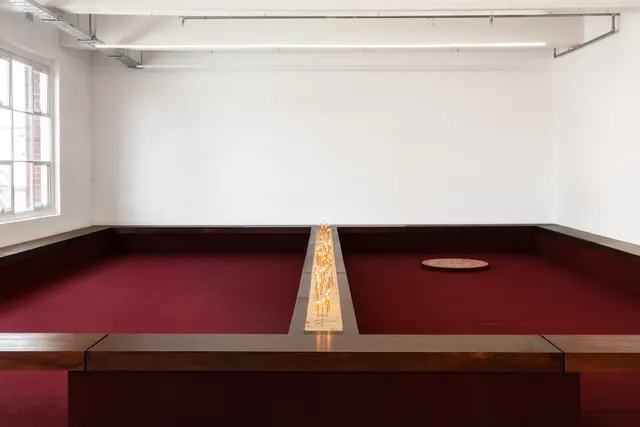
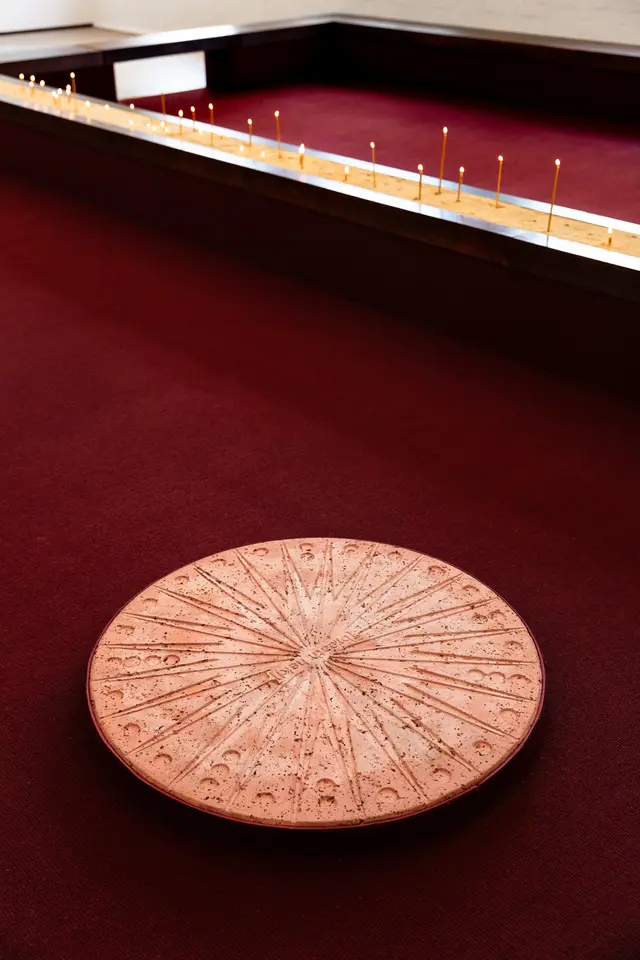
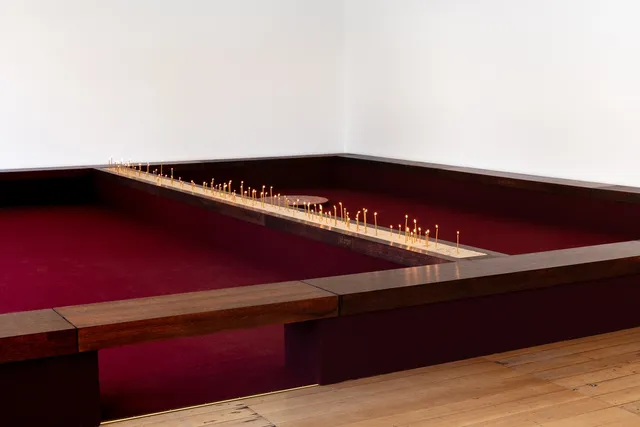
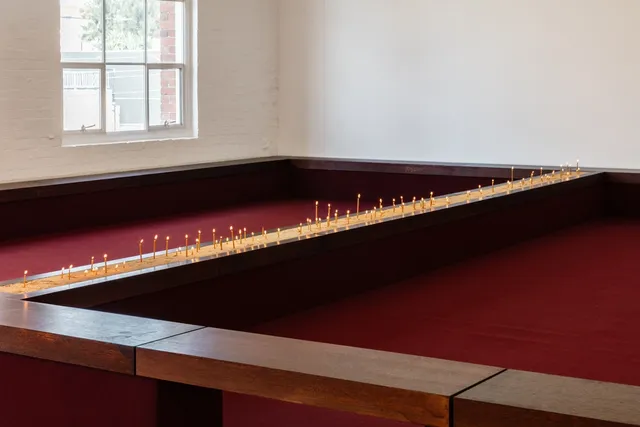
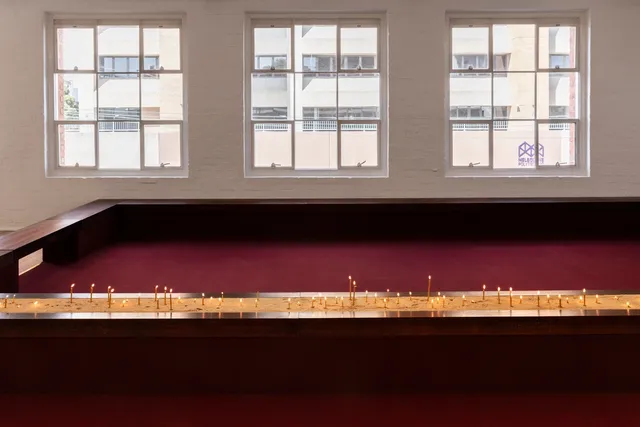
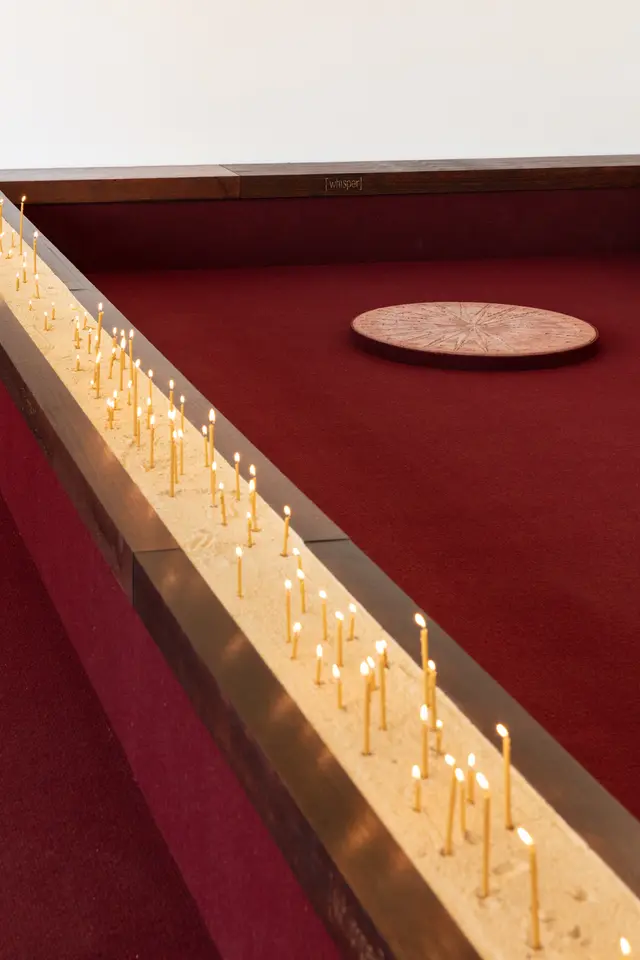
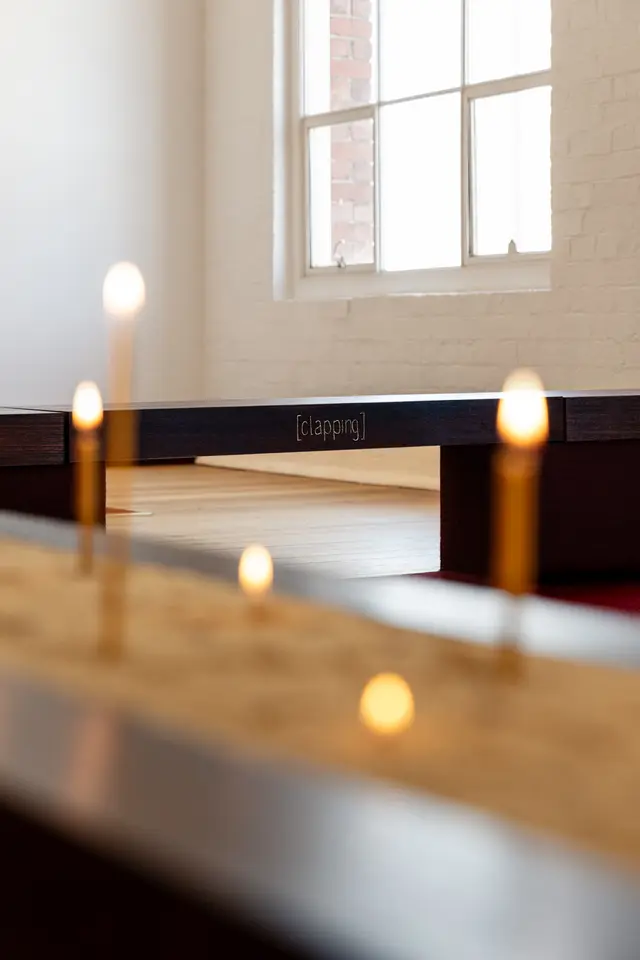
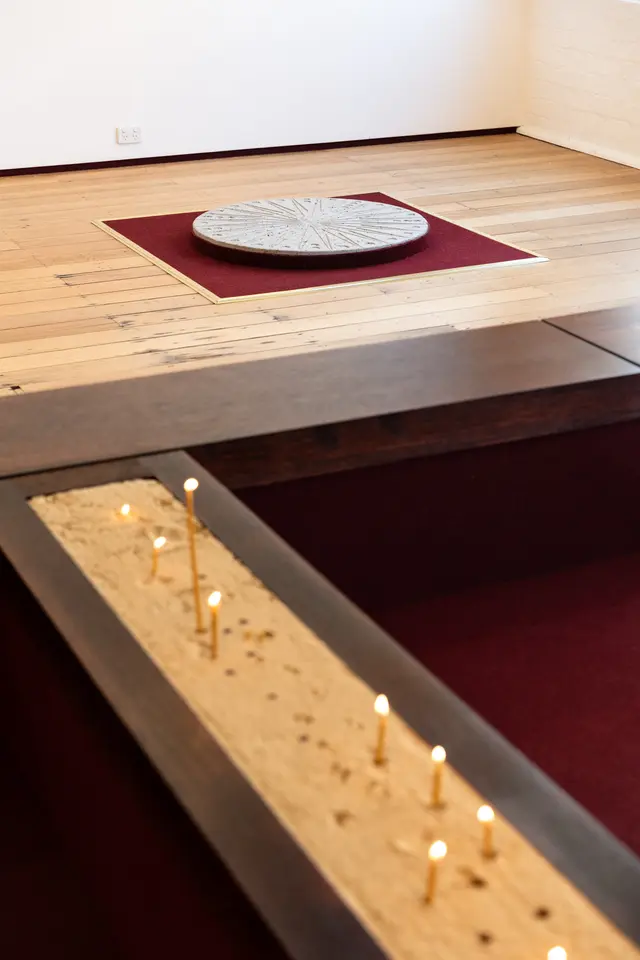
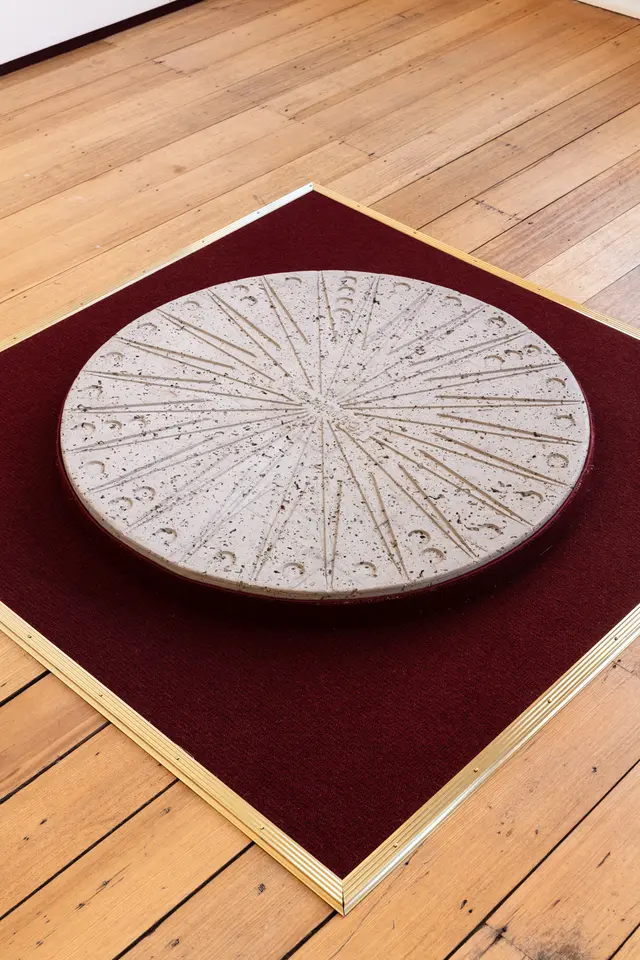
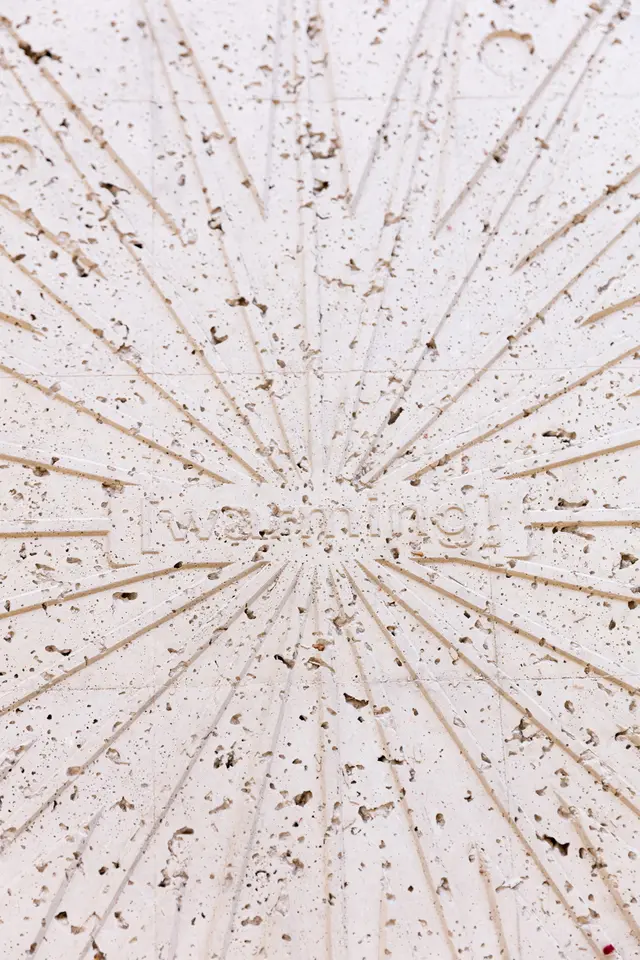
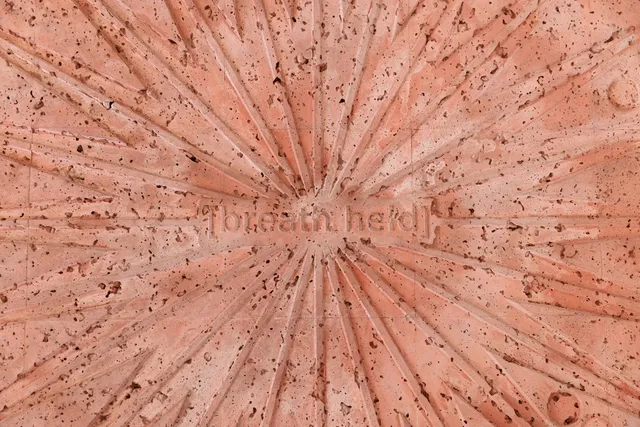
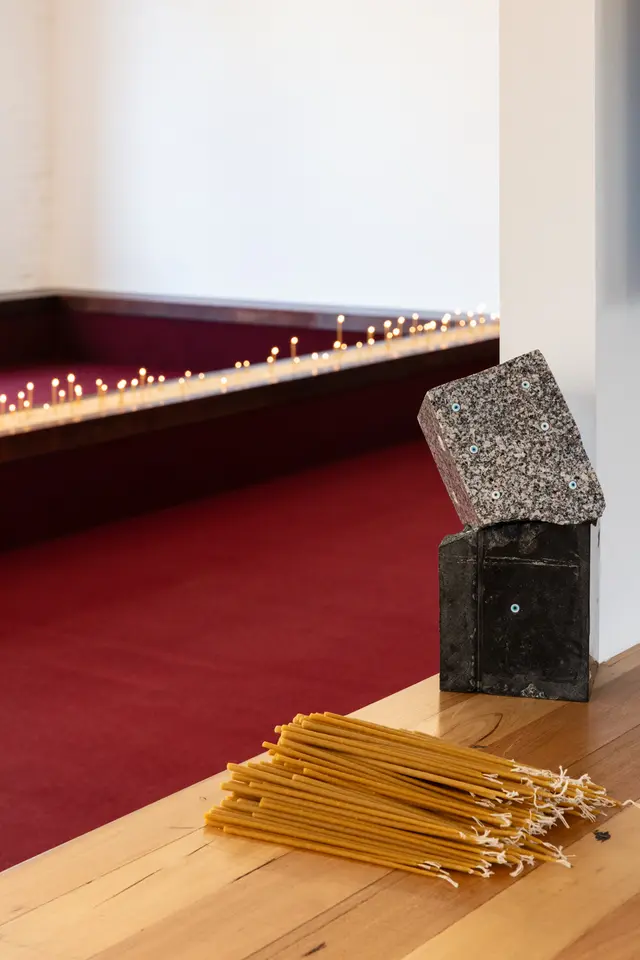
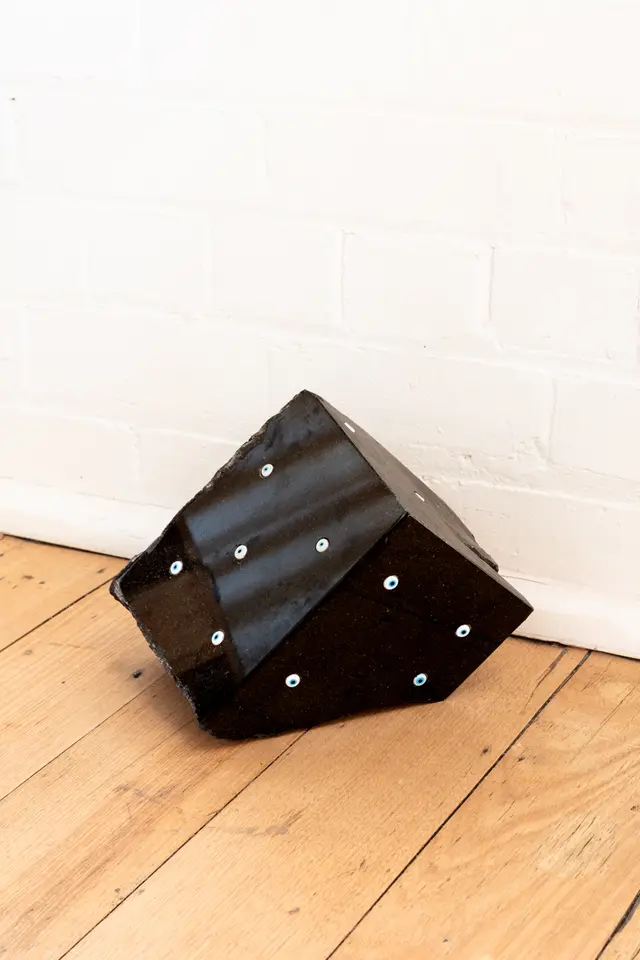
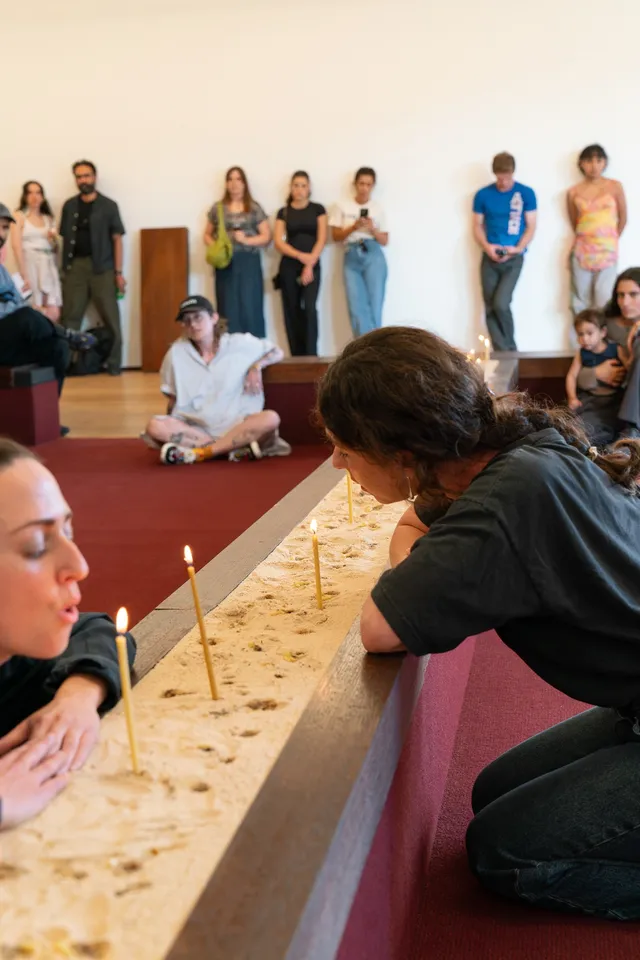
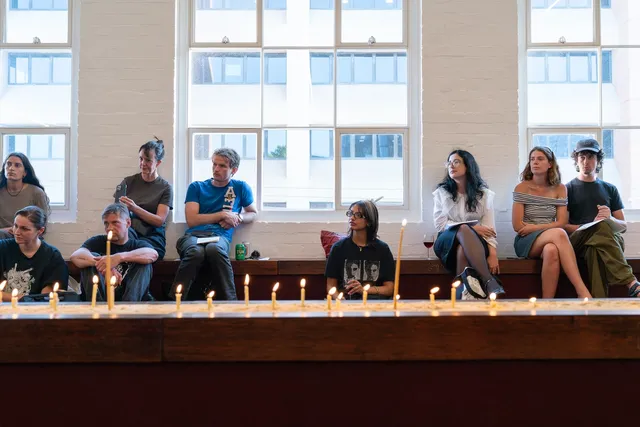
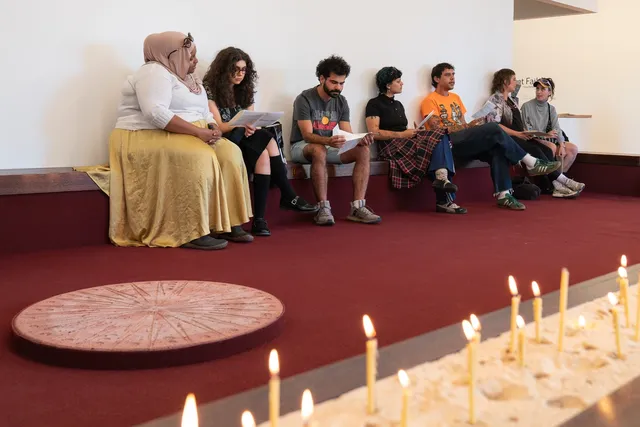
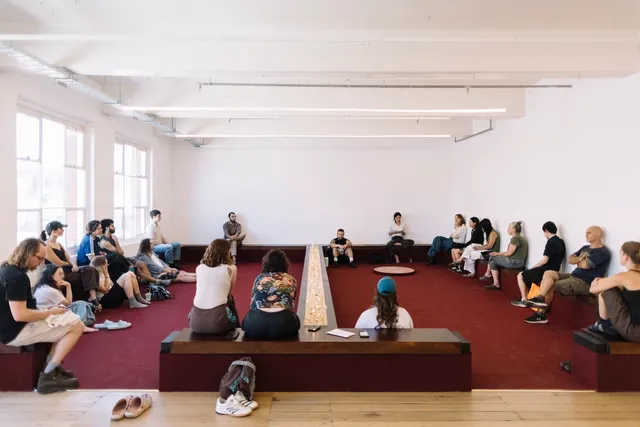
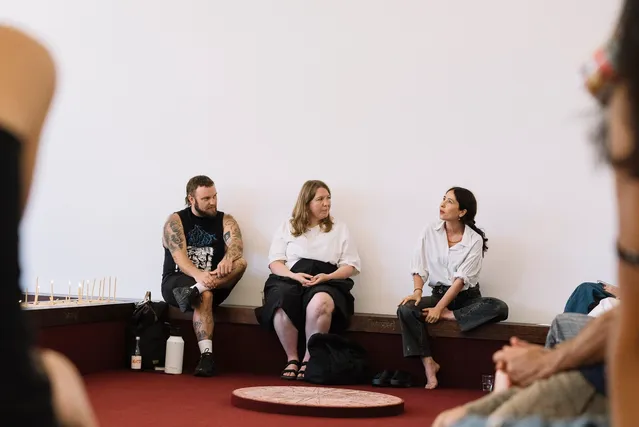
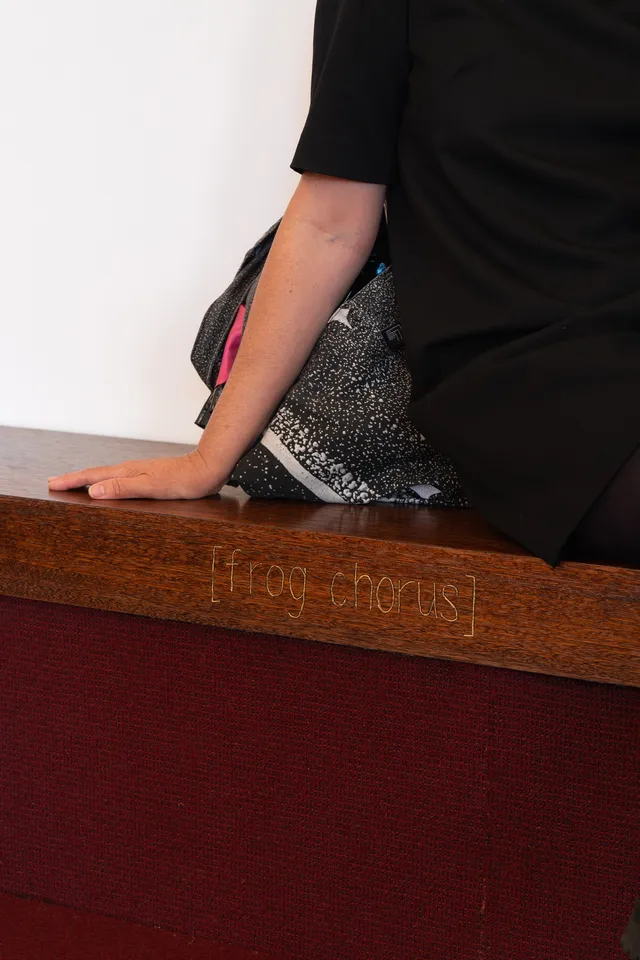
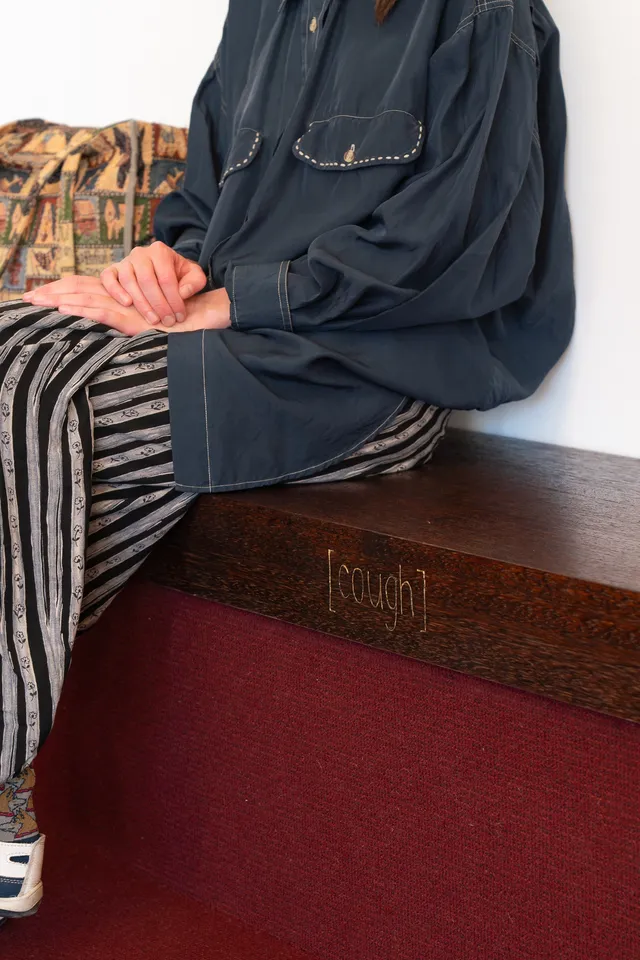
Developed with artistic collaborators Romanie Harper and Aldo Bilotta, the site of Motet Fail takes the backgammon board as a starting point, transforming West Space into a site for reflection, encounter and concert.
A 5,000-year-old game with origins in the ancient region currently known as Iran, backgammon emerged as a game of Empire, spreading across West Asia and Europe along routes of trade, cultural exchange and conquest. Historically, the rules of backgammon have been known to shift depending on one’s position in society. In art history, the game has appeared as a symbol of vice, gambling, skill, and chance. Within the hellish scene of The Garden of Earthly Delights,1510, Dutch painter Hieronymus Bosch used it to signal moral decay and a descent toward damnation.
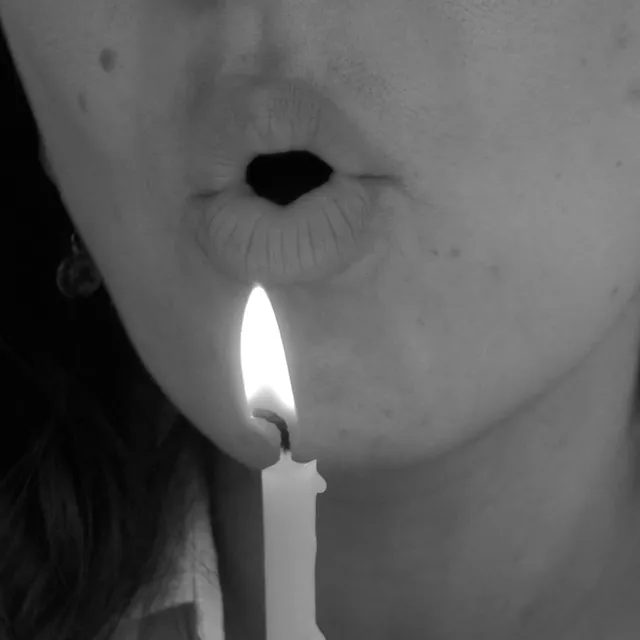
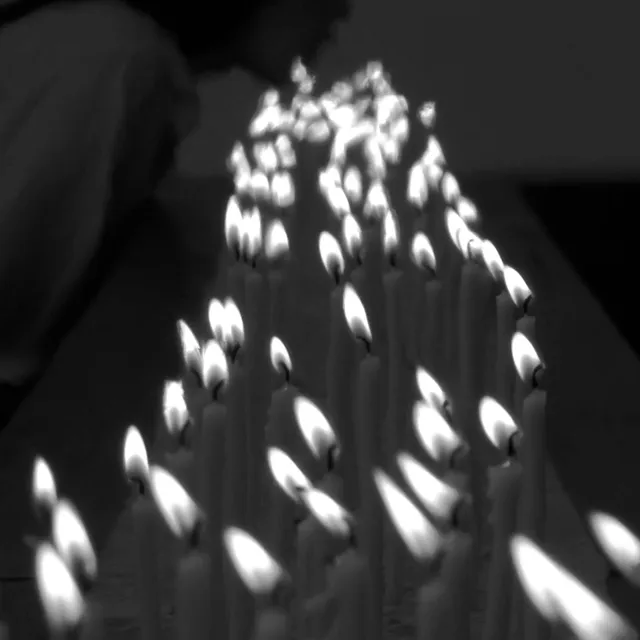
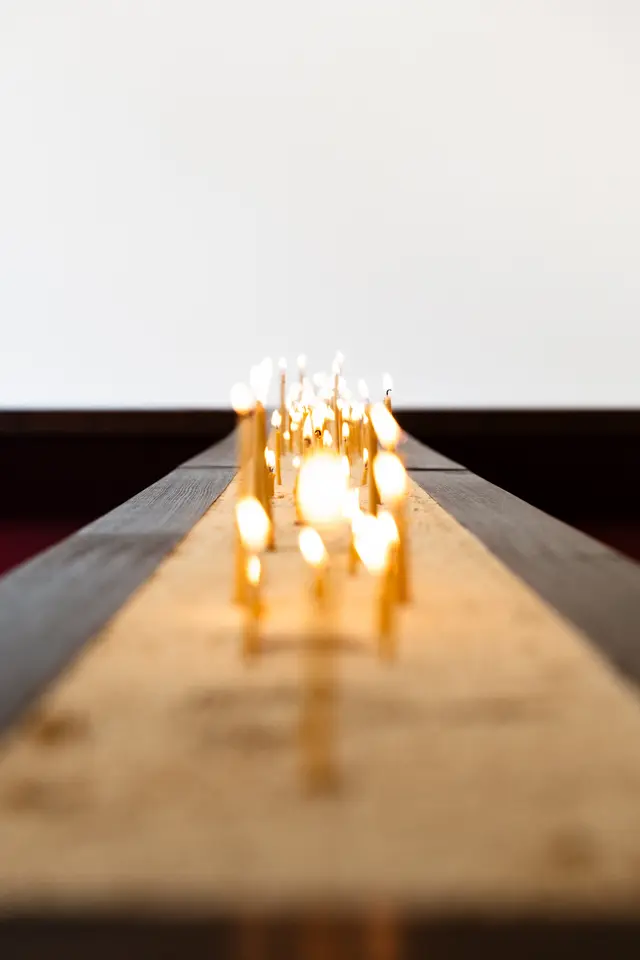
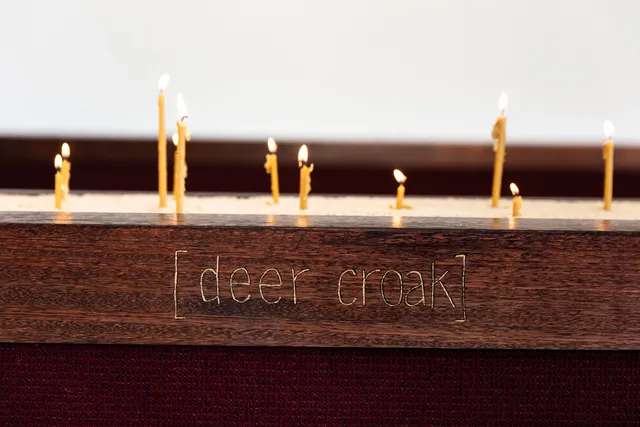
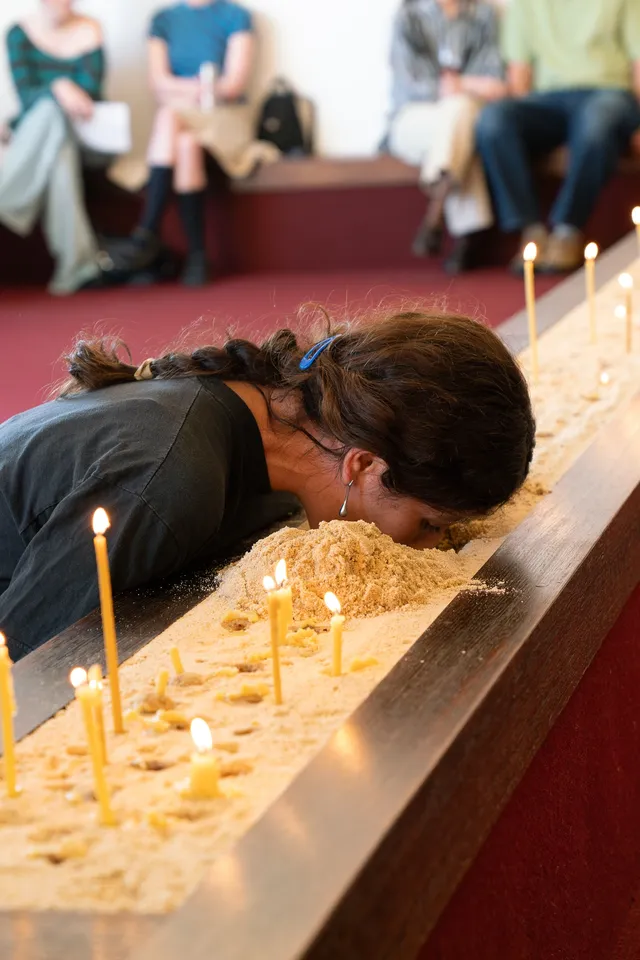
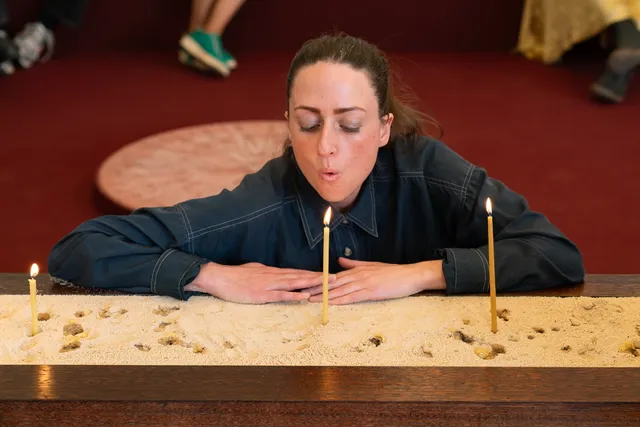
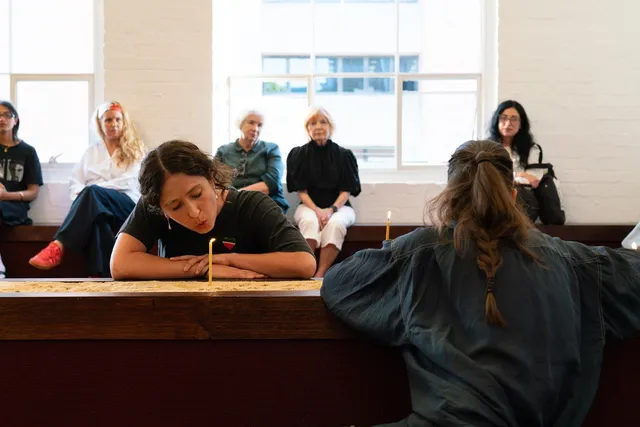
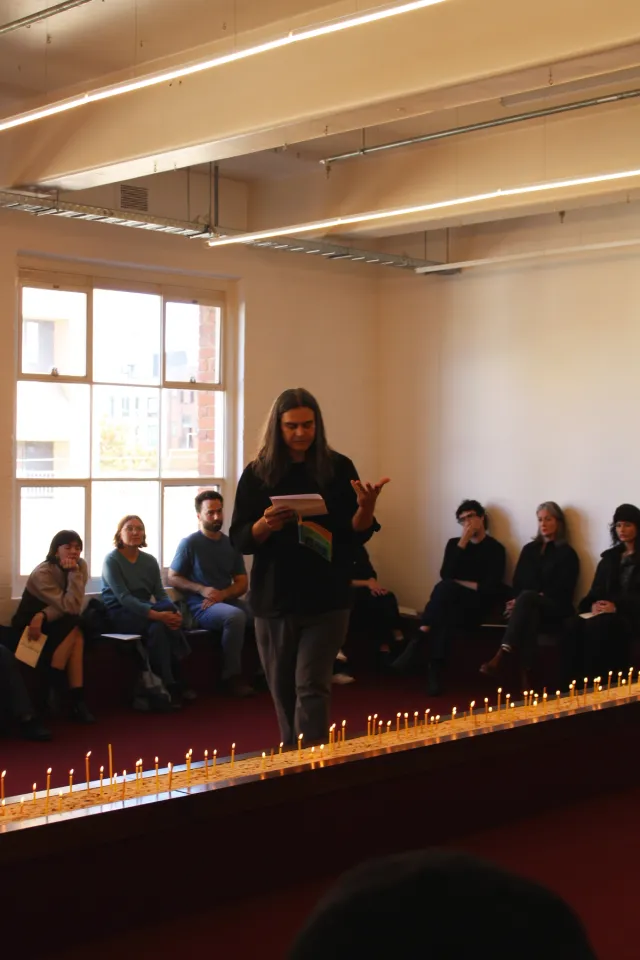
Through a series of material, embodied, vocal gestures, and acoustic gatherings, Motet Fail asks how we meet one another, and what we risk in the process. The work emerges from Stefanou’s early memories of learning to sing ‘straight’, over a single flame, steadying her breath and vibrato to produce pure notes and to not blow out the candle. Her vibrato, an engine filled with performative habits, identity, and selfhood, became disciplined through classical and jazz technical idioms.
To be undertaken within Motet Fail, Stefanou offers a series of Actions for Phono-Chronophobia - a score, a singing lesson, that might reorient fear of the voice, or the fear of time, and an invitation to test the futile pursuit of perfection to the point of rupture.
"Voice can be a stand-in for bodies of all kinds, an extension of them, enabled by the physicality of sound - whether produced by something with a head, lungs, a mouth and vocal cords, or by another material configuration.
In its multiplicity, voice is something to tune in to; a tool for attuning. It might ask of us to learn how to enjoy the messier environment of polyphony; to find harmony through negotiating tension and space, in the middle ground, with and around each other." — Alexandra Pirici
Curated by Joanna Kitto.
Programs
Opening celebration and vocalities, Saturday 18 Feb, 6 → 8pm
Tina Stefanou invites vocalist and long-term collaborator Lisa Salvo to stage a responsive, choral intervention within Motet Fail.
Artist talk, Saturday 21 Feb, 2 → 3pm
Tina Stefanou in conversation with Joanna Kitto, West Space Director.
Collective reading of the score, Saturday 18 April, 2pm
Tina Stefanou leads a reading of the Actions for Phono-Chronophobia on the final day of Motet Fail, with a response by Carlos Eduardo Morreo, scholar-activist, writer, and editor.

Tina Stefanou: Motet Fail is a West Space Commission and companion to You Can't See Speed, Australian Centre for Contemporary Art (ACCA), supported by Creative Australia. Thank you to Aldo Bilotta, Bethany J Fellows, Tom Goodman, Romanie Harper, Emmy Mavroidis, Conor Murray, Patricia Reed, Brigit Ryan, Lisa Salvo, George Stefanou, Kosta Stefanou.


Tina Stefanou is a visual artist and performer in Naarm (Melbourne). With a background as a vocalist, she works across mediums, approaches, species and labours in an embodied practice she refers to as 'voice in the expanded field'. As a means to seek more inclusive ways of making and to frame tangled relationships, Stefanou engages in multispecies performance with a family of local others, friends not-yet-made, and poet(h)ic meetings of matter. Stefanou works with sound, filmography, and research as social practice, often working with communities over long periods of time through para-ethnographic field work, vocal workshops, performance making, and filmic traces, exploring forms of poetic knowledge.