Laura Luciana
“Yanti Peng, Her Glimmering Images and Babydolls”
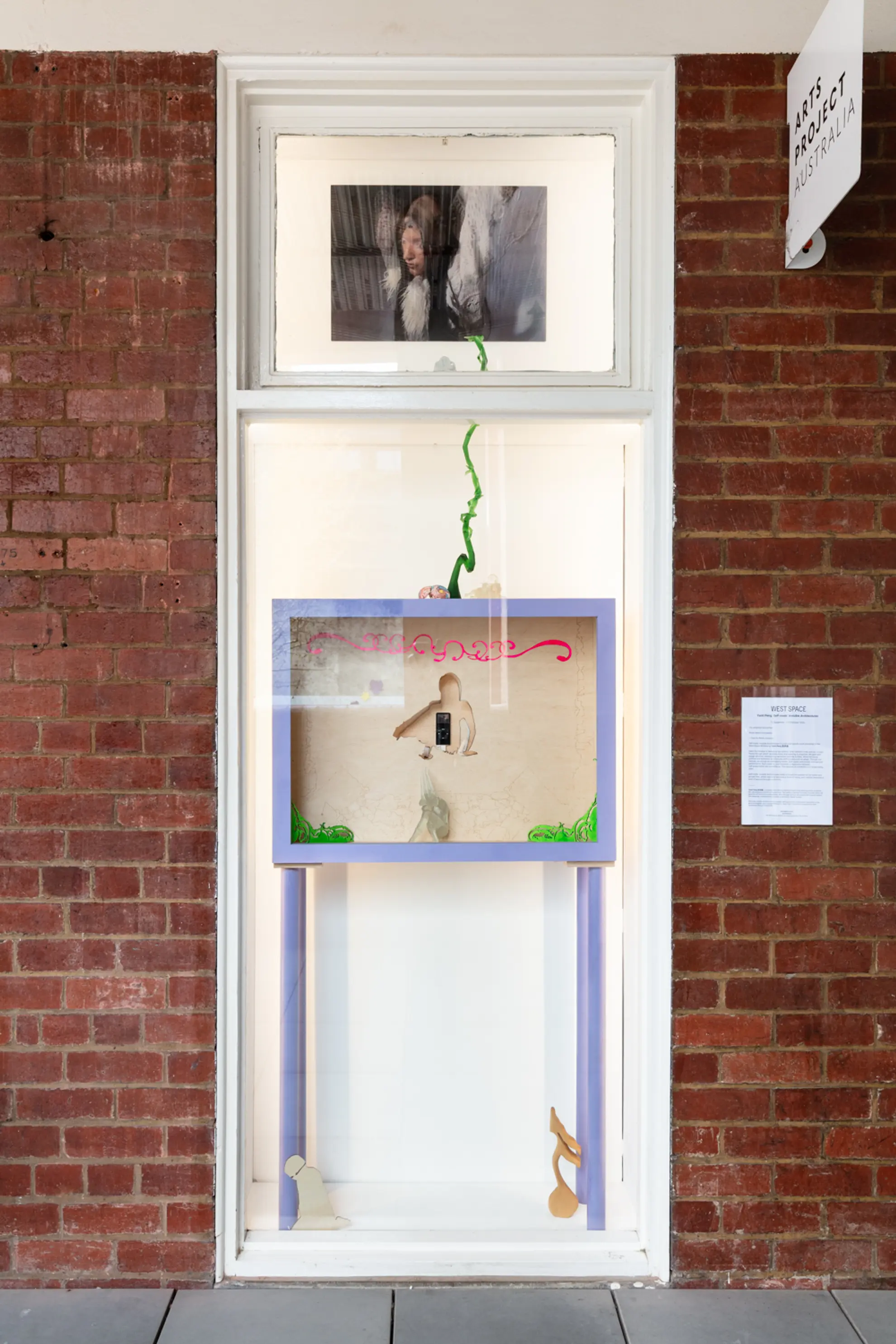
Yanti Peng is prolifically building future-focussed worlds, like a dreamy technologist she makes post-net art narratives where the self can’t be unbraided from its digital reflection. Her new sculptural work, Self-made: Invisible Architectures in the West Space Window looks different. When I asked Peng to describe the aesthetic of her work it's enchanting when she has no answer. She has a lot to say about everything else. Our meandering conversation traverses media and art theory, the kinship she has found in ballroom culture, and The Melancholia of Class1 — Peng's practice is large enough to absorb it all. She makes intrepidly across disciplines: sculpture and installation, photography, performance, film, all contained in her solo Public Eye(i) at Woollahra Gallery earlier this year. Self-made… has a careful handmade tactility, making it her first work that, at the risk of sounding diminutive, is cute.
Each form Peng employs articulates enormous narratives, where she makes speculative worlds to express a future fractured by our relationship to digital images and technology. In A Thing Like You and Me2, artist Hito Steyerl asks, "what it mean to participate in an image?" This is the question of Peng's film, new.life. For Steyerl, an image is “a fetish made of crystals and electricity, animated by our wishes and fears—” Peng is all too aware of this, and her sci-fi doll-like avatars appear more fashion than fantasy.
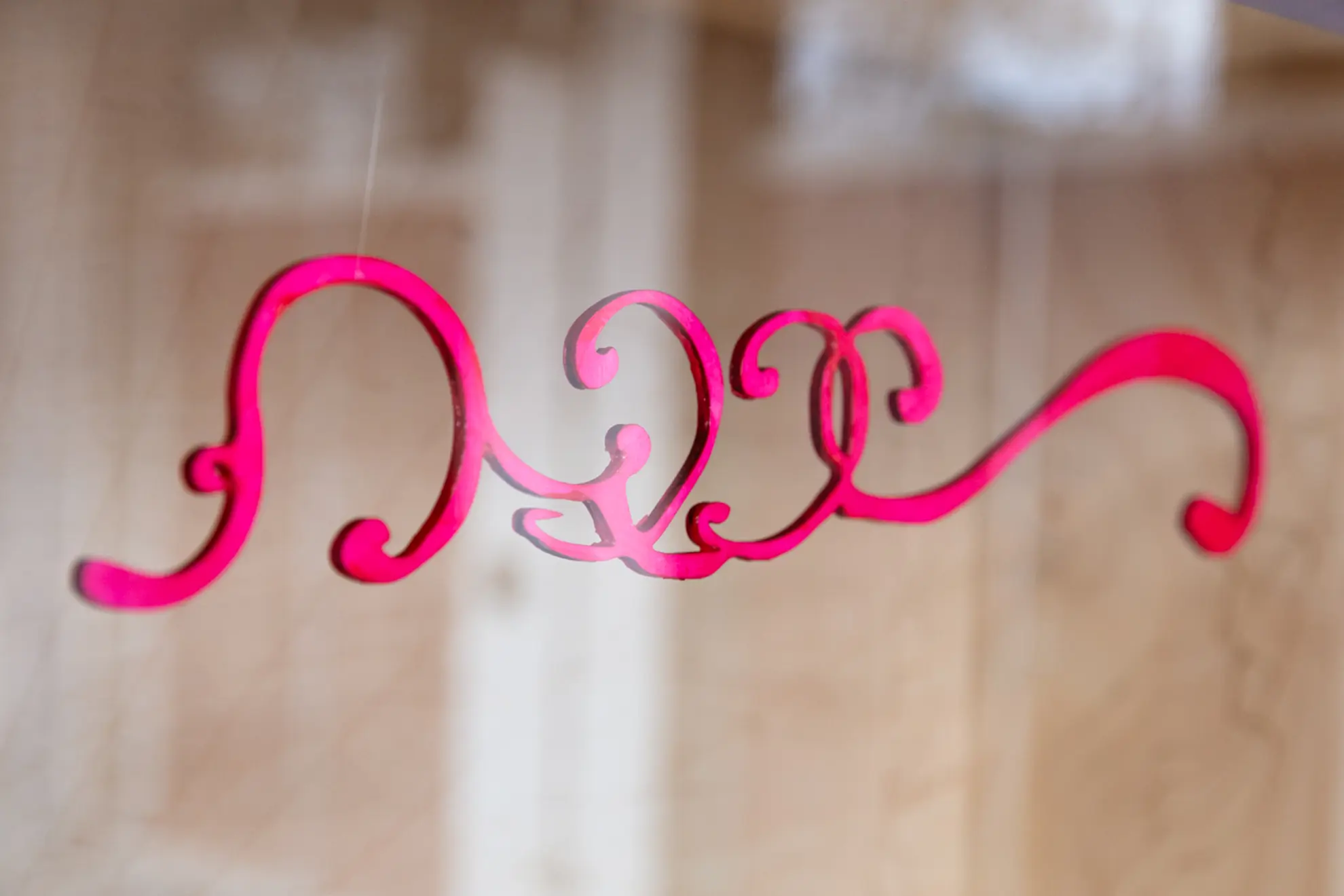
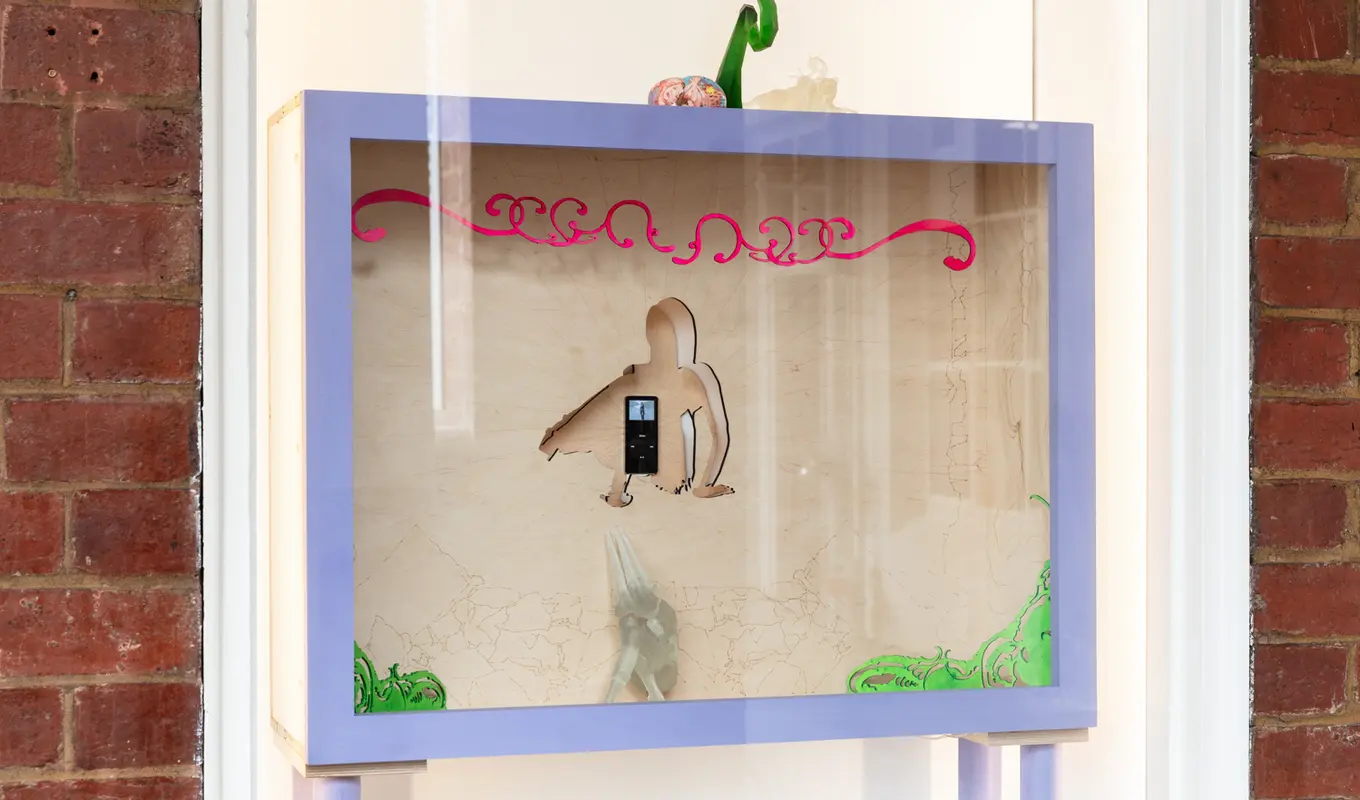
When you’re drawn towards the Window, the installation reveals a vertiginous depth. Inside, a purple frame encases a sexy girl whose silhouette is a window to a tiny screen, below is a mournful girl the colour of a teardrop, and Peng’s ornate etchings and carvings in pink and green, like window dressing. Cuteness and commodity have a compelling correlation, argues Sianne Ngai in Our Aesthetic Categories: Zany, Cute, and Interesting. Ngai uses Marx to explain the emergence of a pervasive 'cute' aesthetic of objects that epitomise objectification. She says that cuteness personifies, "adding yet another layer of fantasy" to commodity fetishism's logic. 3Self-made points to the commodification of things that should never have become fungible: the self, an image, maybe even the art object, where Peng's labour and touch is so present.
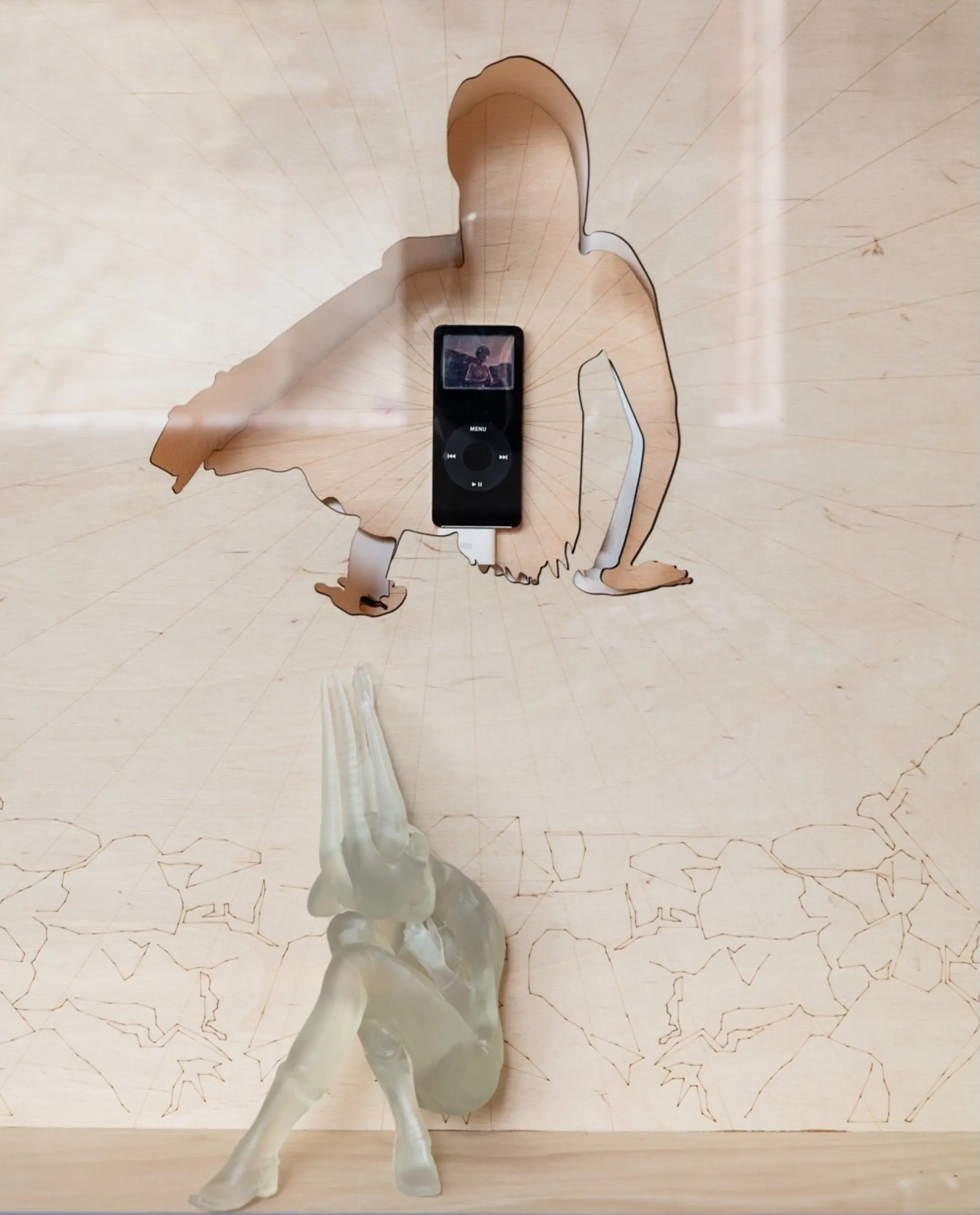
Unlike her slick films, when Yanti translates our fears about our life on-screen into the sculptural installation, we become aware of the friction of the object's production. Unlike her animations, "the cute object seems to insist on getting something from us (care, affection, intimacy) that we in turn feel compelled to give." 4Being in relation to Peng's despondent teardrop girl, its eroticised "powerlessness", its cute scale and characterisation evokes what Ngai describes as "a desire in us not just to lovingly molest, but also to aggressively protect".5
Self-made is less like a TV screen, and more like a dollhouse. Mythology is arranged to teem and stutter from inside: a chimera, just hatched, a beanstalk, through a doll-like silhouette an iPod stuttering frames from a new film. When Peng crafts these myths and speculations on the cute scale of toys, she restores a Benjamin-imbued 'aura' back into the language on the screen.
Laura Luciana is a cross-disciplinary writer and founding co-director of Season, an ARI on nagunda gurad, Gadigal land. She earnt her Art Theory Honours from UNSW A&D as a scholar of jerking off and co-created Vanity Project, a podcast about obsession and obscenity.